Author: Orla O'Keefe

Most of my day is spent playing with dogs. When they nap, I'm here working on my blog. You're welcome to reach out and connect with me.

Best Female Dog Names

Best Female Dog Names

Most people place lots of thought into brainstorming the perfect female dog names. Our dog’s name is an excellent way of showing a bit of personality. Just like human names, dog names rise a fall in popularity.

Pop culture is very influential after the film Frozen came out, there was a 900 percent increase in dogs named after the characters. Names from Star Wars and The Twilight films have also been popular.

Since your dog’s name will be heavily used for training here are some tips to avoid confusion.

  • Select a name with hard consonants and 1 or 2 syllables. These are short enough to get your dog’s focus and the simplest to say
  • Stay away from dog names that sound like an order, names like Kit, which sounds like sit, or Bo, which seems like no.

Here is a list of the top 100 female dog names for some inspiration.

  • Abby
  • Allie
  • Angel
  • Annie
  • Athena
  • Baby
  • Bailey
  • Bella
  • Belle
  • Bonnie
  • Brandy
  • Cali
  • Callie
  • Casey
  • Charlie
  • Chloe
  • Cleo
  • Coco
  • Cocoa
  • Cookie
  • Daisy
  • Dakota
  • Dixie
  • Ella
  • Ellie
  • Emma
  • Gigi
  • Ginger
  • Grace
  • Gracie
  • Hannah
  • Harley
  • Hazel
  • Heidi
  • Holly
  • Honey
  • Izzy
  • Jasmine
  • Josie
  • Katie
  • Kona
  • Lacey
  • Lady
  • Layla
  • Lexi
  • Lexie
  • Lilly
  • Lily
  • Lola
  • Lucky
  • Lucy
  • Lulu
  • Luna
  • Macy
  • Maddie
  • Madison
  • Maggie
  • Marley
  • Maya
  • Mia
  • Millie
  • Mimi
  • Minnie
  • Missy
  • Misty
  • Mocha
  • Molly
  • Nala
  • Nikki
  • Olive
  • Peanut
  • Pebbles
  • Penny
  • Pepper
  • Phoebe
  • Piper
  • Princess
  • Riley
  • Rosie
  • Roxie
  • Roxy
  • Ruby
  • Sadie
  • Sally
  • Sandy
  • Sasha
  • Sassy
  • Scout
  • Shadow
  • Shelby
  • Sierra
  • Sophie
  • Stella
  • Sugar
  • Sydney
  • Trixie
  • Willow
  • Winnie
  • Zoe
  • Zoey

Still didn’t find the perfect name?  Check out our full list of the 50 Greatest Dog Names.

Why Do Dogs Eat Poop?

Why Do Dogs Eat Poop?

We love our dogs, but even we have to admit, sometimes they can be pretty disgusting. Drinking from the toilet, dining in the trash, licking their rears… some of their habits really have us asking “why” with a look of repulsion. However, there is nothing to make us cringe and ask “WHY” more than when we see our dear dog…eat their own poop.

No, they’re not hungry, and no it isn’t to gross us out–the reasons why dogs may eat their own poop is both psychological and and behavioral. One reason dog’s eat their own poop may be sheer instinctive. In other words, back before we took them in our comfortable homes, dogs were often scavengers and ate food where it was found, poop included.

A second reason dog’s often dine with their own dung can be due to psychological problems such as anxiety, isolation or they’re seeking attention.

If you think your dog is alone in this habit, you’re wrong. In fact, a 2012 study showed that 16% of dogs are serious “stool eaters” while 24% are more casual.

If your dog is a dung diner, speak to their vet regarding correction methods such as: vitamin supplementation, taste-aversion products, training, etc.

4 Ways to Keep Your Senior Dog Healthy

4 Ways to Keep Your Senior Dog Healthy

A question we get a lot is how do I keep my senior dog healthy? We want to answer that but first we must address the issues that many senior dogs face. The recent drives to promote the adoption of senior rescue dogs is a huge step in the right direction. Every day, thousands of older dogs are placed in shelters. They are abandoned and have little chance for escape. We want to  Even puppies can have trouble finding a home, and it’s much harder for the seniors because:

  • Many deem older dogs as being “lazy” or “not as fun as a puppy”
  • Others believe they’re little more than a walking collection of health problems

The reality is that senior dogs deserve a second chance at life. Whatever their circumstances for ending up on death row, they deserve the opportunity to get out and flourish in a rescue home.

If you’ve decided to adopt an adult or senior dog, congratulations. You are making a huge difference in that dog’s life.

Here are 4 things you can do to make sure you keep your senior dog healthy, active, and living her new life to the fullest:

How To Keep Your Senior Dog Healthy

  1. Senior Blood Panel

All breeds are different in when they enter their senior years, but no matter what, after age 4, all dogs should begin getting yearly or twice-yearly blood tests.

A senior blood panel test is a great idea. It tests:

  • Complete blood count
  • White blood cell count
  • Red blood cell count
  • Kidney and liver function
  • Electrolytes
  • Cancer
  • Pancreatic function

And much more. Catching problems in these areas can literally add years to your new buddy’s life.

  1. Dental Work

Having dental done for senior can be tricky. If they have to be put under, this can be dangerous, depending on your dog’s health. But, having your regular vet monitor the state of their teeth and gums is important. So is brushing their teeth regularly. Many health problems start in the mouth. Tartar and bad breath are signs that something could be going wrong.

  1. Check Their Eyes

Despite common belief, dogs of all ages should have bright, clear eyes. Cloudiness is a sign of internal problems. If your senior is healthy, their eyes should be clear.

  1. Best Diet Possible

What you feed your dog is a highly personal choice. Whether it’s bones and raw food, high-end kibble, or home made meals, the important thing is to focus on giving your senior the maximum nutrition possible at each meal. If they are overweight, a consistent walking routine and good diet will slim them down, and take the stress off of their joints and internal organs. This alone can extend their life, and give them back some of that long-forgotten puppy energy.

Need To Get More Exercise? There’s A Dog For That

Need To Get More Exercise? There’s A Dog For That

We Don’t Have Time To Exercise!”

We hear it all the time: “Get up and get moving,” “Just thirty minutes a day is all it takes,” and “Exercise does the body good.”


We’re constantly bombarded by the media with quotes and imagery and reasons for why we need to incorporate exercise into our daily routines. If you’re anything like us, that’s easier said than done.

What about the laundry and bills? They’re not going to handle themselves…and that book you picked up last week. It’ll never get read. You can’t forget the countless friends and family you made plans with.

We come up with countless excuses for why we “just can’t make time for exercising!” in our already busy schedules. But what if there’s a reason that’s fun, furry, and already exists?

Have A Dog? Then You’re Half Way There!

According to Medical Daily, studies show that having a dog not only increases your chances of walking daily, but also increases the likelihood that you’ll get your entire daily amount of recommended exercise.

“We Love Fetch, But What’s The Catch?”

Okay, okay…so owning a dog isn’t exactly the solution. (We only said you’re half way there!) There are all kinds of factors that play into the “reasons to exercise with my dog” equation.

Another study done this year revealed two crucial parts to this equation.

First, dog owners are more likely to walk their dog if the dog himself is enthusiastic about the activity. Translation: Fido’s favorite activities include napping, eating, and more napping? It shouldn’t come as a surprise, then, that you won’t be reeling to get out for his daily walk.

Second, our beliefs about dogs, along with their genetic makeup, drastically affects the probability of dog-walking. If you don’t feel attached to your pup, or he isn’t known for being an active breed, you’re going to be much less likely to take him out for a stroll. Alternatively, if you feel that he calms down from exercise, or he’s an active and energetic breed, you’ll be much more likely to take him out.

What Are The Take-Aways?

If you already are active with your dog, that’s fantastic! If you’re both more inclined to be couch potatoes, that’s okay too.

Make time to exercise yourself, and your dog. It is extremely important for his health, as well as your own. The way we see it, it’s a win-win.

(Not to mention that’s added bonding time you get to spend with your four-legged friend)

Do You Know How Healthy Your Dog Really Is?

Do You Know How Healthy Your Dog Really Is?

A healthy dog is a happy dog. But do you really know how healthy they are? Sure they may seem like it, but there is more to a dog’s health than meets the eye. Read on for some tips to make sure your dog is a healthy and happy one.

Nutrition

Nutrition is a huge factor when it comes to your dog’s health. Ensuring they eat the right food, drink enough water, and receive the proper nutrients is the key to a well-balanced dog. For starters, dogs need a complete and balanced diet. They require protein, fats, water, vitamins, minerals, and carbohydrates. Proteins help increase nitrogenous components in their body, fats keep their skin and hair healthy, vitamins are necessary for their body’s chemical reactions, minerals provide structural building and chemical reactions, and carbohydrates give your pup energy.

If you feed your furry friend dog food labeled as “complete” and “balanced”, they are most likely receiving all the necessary nutrients needed to keep them healthy.

One tip is to add garlic powder to your dog food as an added benefit. Garlic powder helps repel fleas and ticks, boosts their immune system and helps with respiratory problems, fatigue, and ear problems/ ear mite infestations.

Some foods your dog should never eat are alcohol, caffeinated drinks, chocolate, avocados, and bread dough.

Exercise

A healthy dog may be a happy dog but do you know what else is true? An exercised dog is a happy dog. If your dog receives at least one to two hours of exercise per day, they’ll be in great shape – both physically and mentally.

Lack of exercise can result in boredom leading to destructive chewing or scratching, raiding the garbage, hyperactivity, rough play/play biting, excessive barking or whining and unruliness.

The benefits of exercise include the elimination of common behavior problems, added agility and limberness, more confidence and trust in timid or fearful dogs, reduced digestive problems and constipation, a healthy weight, and reduced barking and hyperactivity.

Grooming

Not just for the fancy breeds, grooming is a necessity when it comes to your dog’s health. Frequent bathing and brushing will help remove dirt from their coat, distribute skin oils, any flea or tick sightings, and helps you see the condition your dog’s skin.

Dogs with long or thick coats should ideally have a daily brushing while dogs with less hair can be groomed weekly.

A proper grooming session will include brushing your pup’s hair carefully, followed by a bath with a mild dog shampoo. Then, repeat the brushing with a finishing tool (this will remove the loose hair and dirt brought up by the first brush). Finally, check your pups ears. They should be pale in color, cool to touch, and odorless. Ear drops can help keep them clean.

Furthermore, your dog’s nails should be trimmed regularly. Only cut the white part to avoid hitting the “quick”, which will cause the dog to bleed.

Dental Care

Dental care is neglected by many pet owners. Lack of proper dental care results in nearly 80% of dogs having symptoms of oral disease by the age of three!

To avoid dental problems, consider brushing their teeth and gums at least three times per week with special dog tooth paste called Ozoil tooth powder. Also, try feeding them dry kibble as the abrasiveness helps keep their teeth clean. Make sure to schedule regular veterinary checkups and give your dog bones specifically made for teeth cleaning.

Keep an eye on your dogs teeth. If they are generally white with little to no plaque, they are healthy. If you notice any tarter or plaque buildup around their gums, you should contact your veterinarian to come up with a dental plan.

These four categories are the key to keeping your dog healthy. If you find your dog is lacking in any of these areas, talk to your veterinarian to come up with a plan to get your dog back on track. And remember, yearly veterinary checkups are important. Just because your dog seems healthy, doesn’t always mean they are!

Understanding And Treating Diabetes In Dogs

Understanding And Treating Diabetes In Dogs

We can’t stand to see our dogs in pain so we do everything we can to keep them happy and healthy. But despite all our efforts, some dogs end up developing diseases or becoming ill. Similar to humans, a common disease among dogs is diabetes. Let’s look at what this disease is and how to treat it.

What is Diabetes?

Diabetes is caused either by a lack of insulin or an insufficient response to insulin. When a pup eats, their digestive system breaks the food into different components. One of those components is glucose, which is carried into their cells by insulin – the hormone secreted by their pancreas.

If a dog cannot produce insulin or they can’t use it correctly, their blood sugar levels will increase, resulting in hyperglycemia. If left untreated, hyperglycemia can cause health problems for dogs.

Types

There are two types of diabetes – type 1 and type II. Type 1 is categorized as a lack of insulin production and type II is an insufficient response to insulin. Dogs typically suffer from type 1 diabetes. With this type, dogs require insulin in order to survive. Type II is typically found in cats.

Causes

Though the exact cause of this disease is unknown, some autoimmune diseases, genetics, obesity, and chronic pancreatitis can play a factor in the development of diabetes.

Furthermore, obese dogs and females dogs are at a greater risk for developing this disease.

Symptoms

The main symptoms of diabetes include change in appetite, weight loss, increased water drinking and excessive thirst, increased urination, exhaustion, dehydration, sweet-smelling breath, vomiting, urinary tract infections, cataracts, and chronic skin infections.

Treatment Options

Diabetes is a manageable disease and treatment depends on how severe the symptoms are. If a dog is very sick when diagnosed, they may require hospitalization to stabilize their blood sugar. If they are stable when diagnosed, oral medication or a high-fiber diet may be necessary to stabilize glucose levels.

Most dogs will need insulin injections to maintain their blood sugar levels. Veterinarians will show you how to give your dog insulin injections at home once the treatment plan is established.

If left untreated, diabetes can ultimately be fatal.

Prevention

One form of diabetes is inherited – the type that is found in dogs that are less than one-year-old – but other forms of diabetes could be prevented with regular exercise and a proper diet.

If you suspect your dog is showing any of these symptoms, contact your veterinarian immediately.

VETARY.COM

Although this disease can be scary, if caught early enough it is a manageable disease. To make sure your dog stays safe, happy, and healthy, get them the Nuzzle collar. With GPS technology and activity monitoring, you’ll always know where your pup is and what they are doing.

How To Recognize And Treat A Skin Infection In Your Dog

How To Recognize And Treat A Skin Infection In Your Dog

If you’ve ever had the unfortunate experience of having a skin infection, you know how painful and downright pleasant they can be. And just like us, dogs can also develop skin infections – often with similar symptoms. Read on for a complete guide on how to recognize and treat a skin infection in your dog.

What are Skin Infections?

Skin infections are caused by either yeast or bacteria. Yeast infections are quite common in the warmer months and can sometimes be misdiagnosed as regular allergies. Bacterial infections are typically caused by secondary infection from allergies. This type of infection occurs when the dog cuts open their skin from excessive itching.

Thankfully, both yeast and bacteria infections are treatable.

Causes

skin infection often appears in dogs that are already suffering from allergies or pups that lick or scratch their skin a lot. They are also found in dogs with floppy ears and breeds with a lot of skin folds like Bulldogs or Shar-Peis.

Dogs that spend a lot of time outdoors or enjoys swimming tend to be more at risk for bacterial or fungal skin infections as they spend more time being dirty and damp.

Symptoms

Symptoms of a bacterial skin infection including open sores, yeast, pimples, or bumps as well as constant licking at the infection. It also causes head shaking, ear scratching, and holding the head to one side. Dogs may also exhibit green or yellow discharge from their ears.

Yeast infection symptoms include greasy and smelly skin as well as head shaking, ear scratching, and holding the head to a particular side. These infections are often in moist areas on the dog like the armpits, ears, feeds, or skin folds. Dogs may also exhibit a brown, waxy discharge in the ears.

Treatment

One form of treatment for skin infections is a bath with medicated shampoo. Just make sure the medicated shampoo contains an antibacterial agent as they are most effective.

Veterinarians may also prescribe antibiotics or ear-drops if the skin infection is more severe.

TRUECARNIVORES.COM

Although skin infections can be painful and quite simply annoying, they are treatable. If you suspect your dog is showing any of these symptoms, make sure to contact your veterinarian immediately.

10 Dog Breeds With The Fewest Health Problems

10 Dog Breeds With The Fewest Health Problems

If there is one thing in life we can’t stand, it’s seeing our dog sick. While some dog breeds are predisposed to certain health issues, other dog breeds actually have less of a chance of developing serious health problems over time. Here are ten of them.

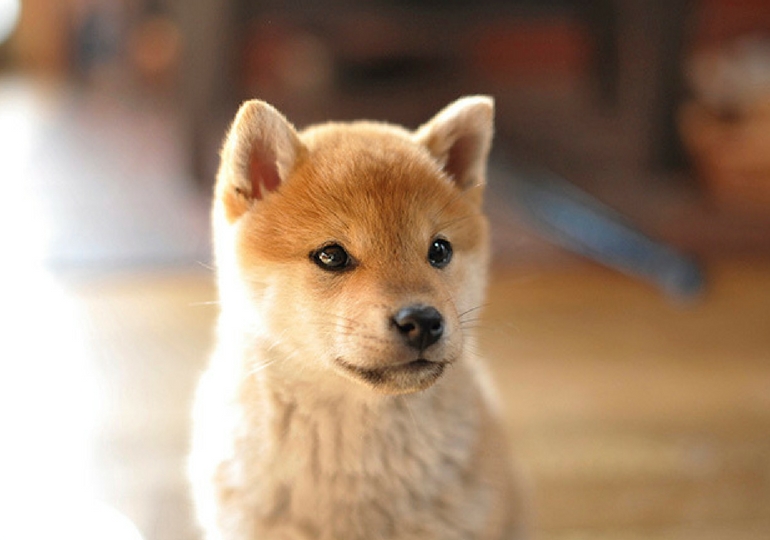
Shiba Inu

Though they are on the small side, the Shiba Inu is known to live a fairly healthy life with few health problems.

English Springer Spaniel

VETSTREET.COM

This breed is believed to be seldom affected by genetic diseases. If they do develop problems, they tend to be eye related.

Poodles

YOURPUREBREDPUPPY.COM

Poodles of all sizes – toy, miniature, and standard – are known to be a relatively healthy breed.

Border Collies

DOGTIME.COM

This hard-working breed tends to evade common health problems seen in other breeds.

Greyhounds

VETSTREET.COM

Serious health problems are rare in this adorably fast breed.

Bichon Frise

DOGBREEDSLIST.INFO

Ranked as one of the healthiest small breeds, the Bichon Frise is typically only prone to allergies.

Beagles

VETSTREET.COM

This small but mighty breed is known to be relatively healthy and is rarely found to have major health issues.

Belgian Malinois

PINTEREST.COM

Considered one of the most versatile working dogs, this breed was bred for performance. They tend to lack the typical health issues found in other working breeds.

Basenjis

VETSTREET.COM

Basenjis are not known to bark, but they are known to be adventurous. This breed is also fairly healthy and doesn’t suffer from many serious health issues.

Australian Cattle Dogs

PINTEREST.COM

This breed holds the world record for the longest living dog – a dog named Bluey who lived to be 29 years old. They are sturdy, working breed with impeccable health.

Although no dog breed is prone to immunity, there are certain breeds – like these ten – that are less likely to develop genetic health problems.

Small Dog Breeds That Don’t Shed

Small Dog Breeds That Don’t Shed

There’s not much we would change about our dogs. After all, the love us unconditionally we should do the same for them. But, there is one thing that can make a dog owner go crazy – shedding. Between the constant brushing and vacuuming, it seems like we’re cleaning up dog hair every other minute! And if you have allergies, it’s so much worse. So, we’ve rounded up some of the best small dog breeds that don’t shed.

Affenpinscher

This breeds name actually means “monkey-like terrier.” The Affenpinscher is a fearless breed with a knack for alerting you when strangers are near. Their wiry coat doesn’t shed much and has little odor. Their low maintenance coat means you only have to brush them twice a week.

Basenji

This minimally-shedding breed has a short, fine coat that doesn’t require much – other than occasional brushing. They’re also a quiet breed, making them perfect dogs for apartment dwellers.

Bichon Frise

This breed is an actual non-shedding dog. They are a great breed for those with allergies. However, they are not a low maintenance breed. The Bichon Frise’s hair grows quite a bit so frequent grooming is required.

Bolognese

Similar to the Bichon Frise, this breed doesn’t shed. Their coat must be brushed out regularly, though, and requires daily grooming.

Brussels Griffon

This pint-sized breed is a great companion for those looking for a non-shedder. They come in both smooth-coated and rough-coated versions and do well with regular grooming.

Chinese Crested

If you’re looking to avoid shedding completely, why not get a hairless breed? The Chinese Crested comes in two coat types: powderpuff and hairless. Hairless Chinese Crested only have hair on the head, tail, and feed. Powderpuffs, on the other hand, have a thin coat of fine hair that doesn’t shed much.

Coton De Tulear

Though this breed has a long, fluffy coat, it is actually considered hypoallergenic. They do require daily grooming to help maintain their coats, but this gentle breed is perfect for those suffering from allergies.

Havanese

This playful and spunky breed hailed from Cuba, but they sport a coat that doesn’t shed. Weekly brushing and regular baths are all they need.

Maltese

The Maltese dates back nearly 30 centuries, most likely because of their charming personality and non-shedding coat. They do need regular brushing, though, to avoid matting along with the occasional bath to remove any dirt and debris.

Lhasa Apso

This playful yet calm breed hails from Tibet and makes the perfect companion. They don’t shed, but do require maintenance. In fact, some owners keep their Lhasa Apso in a “puppy cut” to avoid daily brushing and grooming.

Miniature Schnauzer

This highly intelligent and cheerful breed hardly sheds. Miniature Schnauzers are an adaptable breed that can live pretty much anywhere as long as their family is around. Weekly brushing and regular grooming is all they need.

Poodle

One of the most widely known non-shedding breed is the Poodle. They are both non-shedding and hypoallergenic. Poodles come in Miniature, Toy, and Standard sizes. All are highly intelligent and easily trainable, making them excellent family companions. Their coat does require regular grooming, though.

Scottish Terrier

This bold and confident breed has a big personality in a tiny body. They have weather-resistant and wiry coats that don’t shed a lot. Scottish Terriers do need regular brushing and grooming, though.

Shih Tzu

The breed known as the “little lion dog” has long, silky hair that is surprisingly very low-shedding. Shih Tzu’s are a proud breed that prefers to be a house pet and loves to be around their humans.

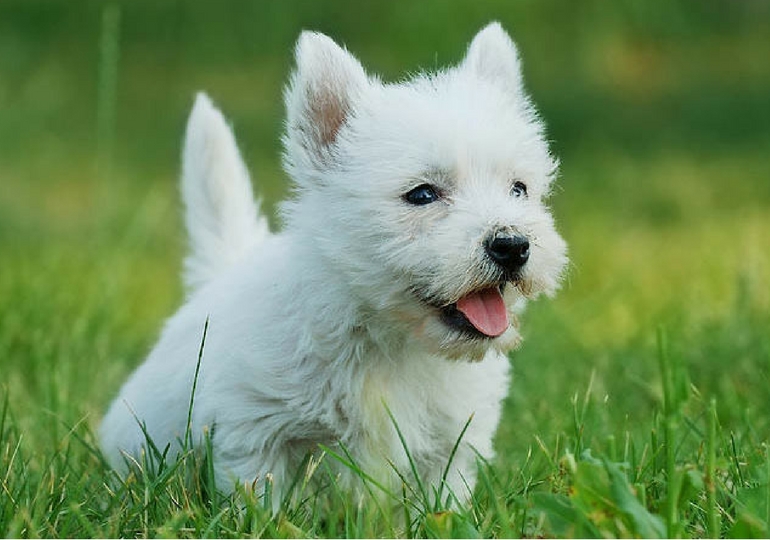
West Highland White Terrier

Often referred to as “Westies,” this breed is intelligent, happy, and loyal. They have coarse, white hair that doesn’t shed much. Westies are curious with a moderate energy level and an independent streak.

Xoloitzcuintli

Another hairless breed, the Xoloitzcuintli – or “Mexican Hairless” – is a rare and ancient breed that are either hairless or coated. Hairless breeds tend to have a small amount of hair on the hairs whereas the coated breeds have short, fine coats that hardly shed. They are an attentive and affectionate breed, but extra care must be taken with hairless breeds as their skin needs to be protected from the elements.

Yorkshire Terrier

This breed is full of personality yet is affectionate and sprightly. They don’t shed, but will benefit from a daily brush. Since they are terriers, they have a spunky personality and tend to be fearless. But, they are just as happy sitting on your lap.

Whether you are allergic to or just sick of constantly picking up dog hair, consider one of these small breeds that don’t shed.

10 Of The Absolute Fluffiest Dog Breeds

10 Of The Absolute Fluffiest Dog Breeds

If there is one thing we can never resist, it’s a fluffy dog. Try as we might we can never resist the urge to pet them and cuddle with them. So, we’ve rounded up ten of the absolute fluffiest dog breeds around.

Samoyed

One of the fluffiest dog breeds around, the Samoyed has a thick undercoat with a heavier outercoat. They require regular brushing as well as special grooming needs. Though they are seasonal shedders, some studies have shown that they are actually hypoallergenic.

Bearded Collie

As an average shedder, the Bearded Collie needs special grooming needs. This happy and lively breed requires daily combing and brushing to avoid any mats and tangles.

Pekingese

Hailing from China, this ancient breed has a double coat that can hide fleas, ticks, or parasites. Therefore, frequent brushing and combing is a necessity to keep them safe and healthy.

Chow Chow

The Chow Chow is a big ball of fur with a thick coat. They are heavy shedders and require daily brushing, too.

Keeshond

Another one of the fluffiest breeds around is the Keeshond. A mix of several other breeds, the Keeshond has a silky undercoat that sheds twice a year and a heavy outercoat that sticks out, giving them a fluffy appearance.

Bichon Frise

This pint-sized breed is a walking cotton ball. The Bichon Frise is hypoallergenic and requires monthly grooming sessions to maintain their fluffy white coat.

Tibetan Mastiff

These gentle giants are known to be one of the most expensive breeds as their thick coat requires regular brushing. Though they shed in the winter, their summer shedding takes up to a full month.

Lhasa Apso

This breed was considered lucky in the early 1900’s and the same rings true today. The fluffy Lhasa Apso requires daily combing and brushing to keep their coat in tip top shape. Some owners give them “puppy cuts” to avoid the constant grooming.

Shetland Sheepdog

The miniature version of a Rough Coated Collies, the Shetland Sheepdog have a thick double coat. Their undercoat is soft and close to their body whereas the outer layer is straight and harsh. These seasonal shedders do best when given a daily brushing and combing.

Affenpinscher

Thanks to their monkey-like features, the Affenpinscher is often referred to as the “monkey dog.” Their harsh, thick coat should be kept long as a cut would ruin their coat. They benefit from daily brushing and an occasional grooming session.

Want to Contact Me?

Hellonuzzle