Author: Orla O'Keefe

Most of my day is spent playing with dogs. When they nap, I'm here working on my blog. You're welcome to reach out and connect with me.

Senior ‘Dog Prom’ Helps Older Adoptable Dogs Find Forever Homes

Senior ‘Dog Prom’ Helps Older Adoptable Dogs Find Forever Homes

For senior shelter dogs, life is a little tougher. They often get overlooked for the younger, more vibrant dogs or the too-cute-for-words puppies. But there is something about an older dog that makes them a little extra special. And thanks to a group in Florida that threw them a ‘dog prom’, they got their time to shine.

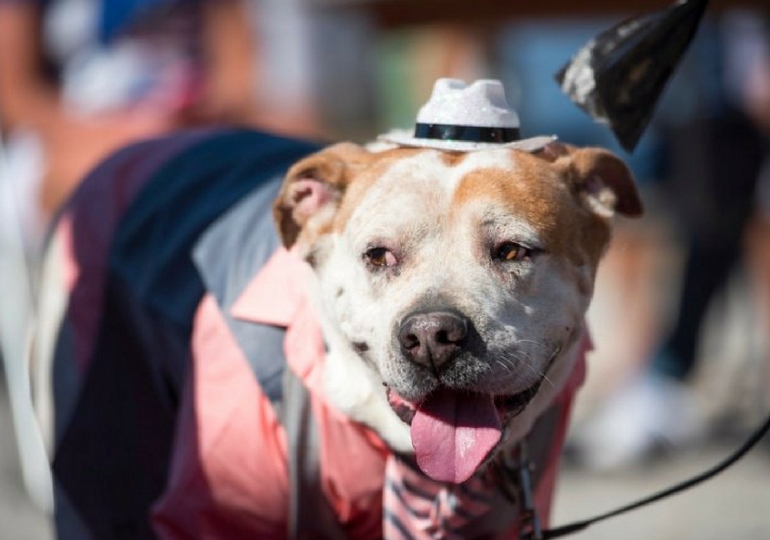
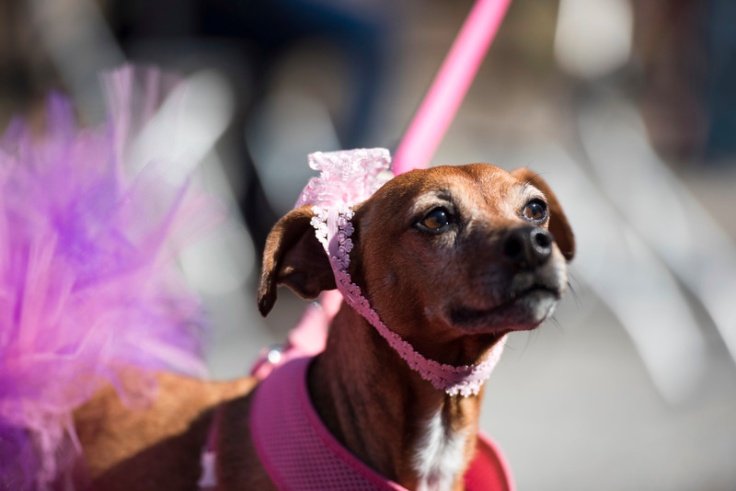
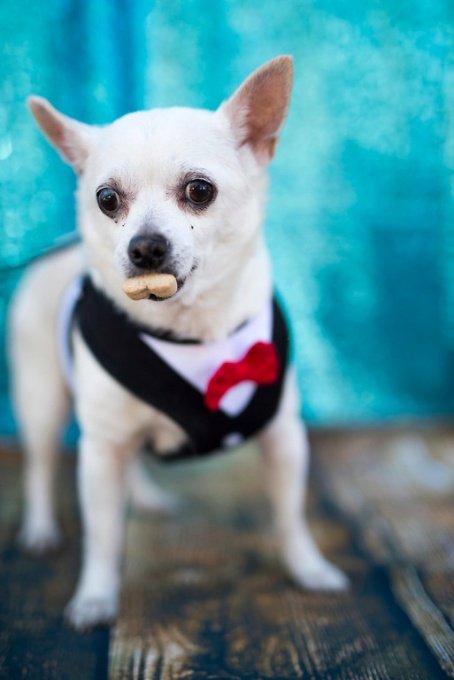
The prom, hosted by The Dog House, brought 40 senior shelter dogs – ranging from 5 to 20 years old – together from 13 animal rescues in the Tampa Bay area. The pups dressed to the nines – wearing fancy outfits and flower crowns – all in hopes of getting adopted.

ROVER.COM

Many people think that senior dogs come with potential health issues and are hesitant to add them to the family.

In fact, according to a Petfinder.com survey, the typical shelter pet spends around 12 weeks on their website before finding a home. Senior dogs, though, spend nearly four times as long on the site.

While there is the possibility that senior dogs come with health issues, they also tend to have a solid training foundation, a milder temperament, and an easier transition into family life than an adolescent dog or puppy. Older dogs are also wonderful for families that live less active lifestyles.

So The Dog House wanted to do something about it. They wanted to show that senior dogs still have a lot of life left in them – and that they can still rock a prom dress.

“We wanted to have an event that not only included senior adoptable, but put the spotlight on the them,” Kelli Chickos said.

And the event proved to be a success – six dogs found their forever homes!

The Best Names For Your German Shepherd Dog

The Best Names For Your German Shepherd Dog

DOGTIME.COM

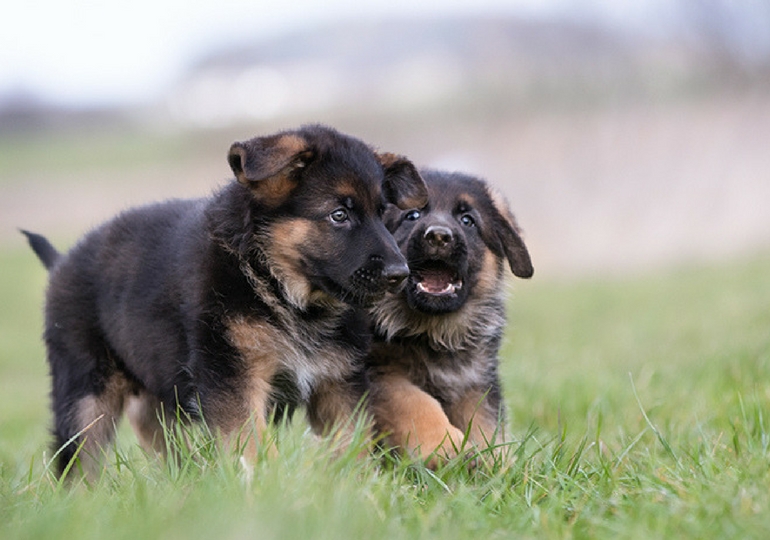
In addition to their striking beauty, German Shepherds are extremely intelligent, spunky, loyal, and an overall joy to be around. If you recently added a German Shepherd to your family, be ready for a lifelong companion full and personality and zest. But now comes the hard part – what are you going to name them? If you’re completely stumped on what to name your German Shepherd – we’re here to help. Below are some of the best names for both female and male German Shepherds!

Female

Athena

Greek goddess of wisdom and warfare and the daughter of Zeus.

Asia

Of Greek origin meaning “sunrise.”

Belle

“Beautiful” in French.

Brownie

A popular dessert, also refers to the dark colors of a German Shepherd.

Cleopatra

Of Greek origin meaning “glory of the father” and was the name of the queen of Egypt.

Dixie

A southern name, Dixie is often used as a name for spunky dogs. Also a term for the whole American South.

Elle

Of French origin and means “she.”

Evita

Evita is of Hebrew origin and means “living one.”

Kasha

Typical spelling of the Polish name “Kasia” and means pure and beautiful.

Leena

Leena is of Muslim origin and means “tender.”

Maxie

Of English origin and means “the greatest.”

Millie

Millie is a Latin name and means free-born and noble.

Nikita

A Russian name, Nikita means “victory of the people” and “unconquerable.”

Olive

Perfect for laid-back German Shepherd, Olive is a Latin name that means “symbol of peace.”

Petra

Derived from the Greek work “petros” which means “stone, rock.”

Ruby

Typically refers to the gemstone, ruby comes from the Latin word “ruber” which means red. It’s the birthstone for the month of July.

Sadie

Sadie is a derivative of Sarah and means “princess.”

Sage

Of English origin, Sage means “wise one.”

Tasia

Tasia is a Greek name that means “resurrection.”

Venus

The Roman goddess of love.

VETSTREET.COM

Male

Axel

A Scandinavian name, Axel means “father of peace.”

Apollo

Apollo was the son of Zeus and the god of prophecy, beauty, and wisdom.

Bruno

A German name, Bruno comes from the word “brun” which means shield or armor.

Captain

Of English origin, captain means “he who is in charge.”

Duke

Duke is an English name and used as royalty title.

Dakota

Can refer to the indigenous Native American tribe and translates into “friend” or “friendly” – perfect for a laid-back, friendly German Shepherd.

Falcon

Of English origin, a falcon was regarded as a symbol of spend and courage during the Middle Ages.

Hudson

Thought to be related to the Old Saxon name “Hugh” that comes from the German word “hug”, which means “heart, mind, spirit.”

Jack

A common name during the Middle Ages, it became a slang word for “man.”

Kuma

Kuma is the Japanese word for “bear” – perfect for a big, fluffy German Shepherd.

Max

Short for both Maximilian, meaning “greatest” and Maxwell, meaning “great spring.”

Nova

Of Latin origin, the name Nova means “new, young.”

Napoleon

Of Italian origin, Napoleon often refers to the famous Napoleon Bonaparte.

Orion

Orion is a Greek name meaning “rising in the sky” or “dawning.” In mythology, Orion was a hunter and son Poseidon. Also refers to the constellation.

Radar

Perfect for a German Shepherd pup with big ears!

Rusty

Often used as a nickname for red-haired people or dogs.

Tarzan

A fictional character, the name Tarzan was made famous by the movie “The Legend of Tarzan.”

Thor

Of Old Norse origin meaning “thunder.” Also refers to the Norse god of strength, war, thunder, and storms as well as the son of Odin.

Viking

Viking is of Old Norse origin and means “raider.” Also refers to the pirates and traders who settled in parts of northwestern Europe during the 8th and 11th centuries.

Zorro

Zorro is Spanish for fox – perfect for a clever and sly German Shepherd.

Ultimately what you name your new pup is up to you. But if you’re scrambling for one and need some help – consider one of these unique names for new German Shepherd pup!

Science Tells Us What Dogs Actually Mean When They Look Guilty

Science Tells Us What Dogs Actually Mean When They Look Guilty

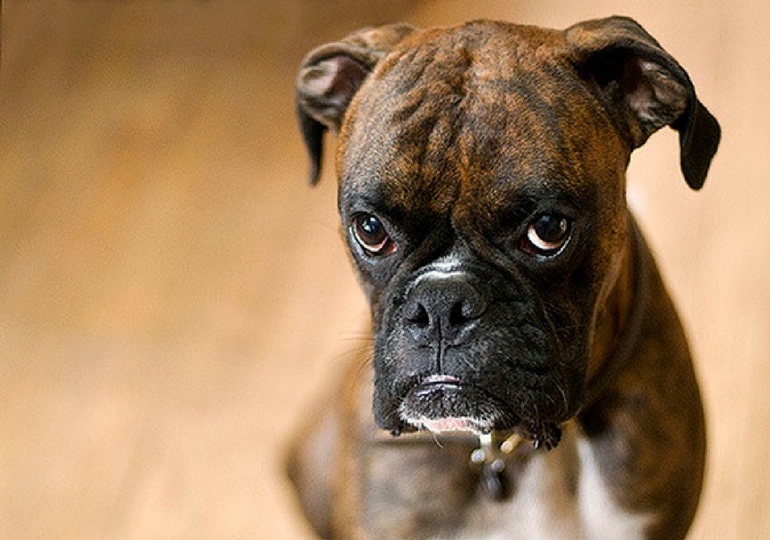
You know the look – the one your dog gives when you raise your voice or scold them. The sad eyes, the low head, and a general sense of guilt about them while they are surrounded by a mound of trash or ripped couch cushions. But do they actually feel guilty? Science is here to explain.

While dogs don’t necessary feel guilt like humans do, when a dog is scolded or reprimanded, they do become submissive.

The act of cowering originated as a survival tactic from their wolf ancestors. Animal behaviorists refer to this as an “apology bow”.

According to molecular biologist Nathan H. Lents, young wolves use apology bows when they begin social integration. Since wolves and dogs play similarly, young ones use playtime to learn the pack’s rules.

BLOGS.SCIENTIFICAMERICAN.COM

When a frisky wolf bites too hard, they will be snubbed by the rest of the pack for their bad behavior. And in order to return back to the pack, the young wolf must use the “apology bow”.

The same is true for dogs.

Lents, who works at the City University of New York, said, “Dogs have inherited this behavior and they will use it after any kind of infraction that results in being punished. As social animals, they crave harmonious integration in the group and neglect or isolation is painful for them.”

The physical signs of a dog being reprimanded include lowering their head to avoid eye contact and putting their tail between their legs – and they will stop panting. These are similar to how a young, low-ranked wolf submits to a dominant one.

A 2009 study done on the “guilty dog look” found that dogs had the guilty look when their owners yelled at them – even if they didn’t do anything

PETHEALTHNETWORK.COM

And while it’s not necessarily an admission of guilt, their submissive behavior basically means they just want to be part of the pack again. Besides, who can resist those sad, guilty eyes?

Dog Who Lived In An Empty House Cannot Believe He Has New Family

Dog Who Lived In An Empty House Cannot Believe He Has New Family

Imagine spending your days in an empty house. You stare out the window watching cars drive by. So many pass but none pull into the driveway. That was life for a German Shepherd mix named Ham. Ham’s owners left him at their second house because they claimed they had no time for him, he escaped from the yard, and shed too much.

When Lisa Heart, a volunteer for the Special Needs Animal Rescue and Rehabilitation Northeast, learned about Ham’s situation, she was heartbroken. She found out about the pup after she heard his owners asking around if anyone wanted a dog.

Heart knew she had to do something. She, along with a few other volunteers, took Ham on day trips to provide the lonesome dog with some company.

Ham would cry every time he had to go back to the empty house.

Heart worked tirelessly to find Ham a home. If she wasn’t able to find a home in time, he would have to make his way to a shelter – not the best place for a shy dog like Ham. Heart was unable to foster him as one her dogs was bitten by a German Shepherd and could not be around them.

Just when she was about to give up hope, a miracle happened.

Neil Abramson, an author and prominent activist and attorney for animal welfare, found Ham’s story on The Dodo and realized Ham was located only 20-minutes away in White Plains, New York. He knew he had to do something.

Abramson picked up the phone and called Heart.

Not long after, Heart picked up Ham from the empty house for the very last time.

Ham arrived at his new home – a sprawling nine acres outside Manhattan – and was greeted by fellow rescue dogs, a horse, chickens, rabbits, parrots, and cats. Then, he met his new owners, Abramson and his wife, Amy Rodriguez, a veterinarian.

The first night in his new home was confusing for Ham. While lying on the living room floor, Ham would lift his head and wake up every 30 minutes. He couldn’t believe where he was.

Eventually, Ham realized he was there to stay and surrendered to the love. He sighed, exhaled, and fell asleep – surrounded by his new family.

What You Should Do If Your Dog Eats Or Swallows A Chicken Bone

What You Should Do If Your Dog Eats Or Swallows A Chicken Bone

If there is one thing we know about dogs, it’s that they will eat anything they can get their paws on. While most of the time it is harmless, there are those instances when they eat something they shouldn’t. And one of those instances is chicken bones. If your dog ate or swallowed a chicken bone, here’s what you should do.

One thing to note is that cooked bones are dangerous to dogs, not raw ones. In fact, raw bones – including chicken bonesare beneficial to dogs.

They provide calcium and phosphorus along with other nutrients and minerals. The bones also stimulate saliva enzyme production that keeps their gums and teeth clean as well as provide mental and physical stimulation. Just be sure to supervise your dog if they are gnawing on a raw bone.

Cooked chicken bones, though, should be avoided at all costs – unless they are specifically labeled ‘safe for dogs.’ Cooked bones are dry and brittle. If your dog is chewing on one it can easily crack and splinter, leading to cuts in the mouth or gums. It could even lead to choking, internal injuries, punctured organs, or even death.

In the event your dog does eat a cooked chicken bone here’s what you should do:

When they just got a hold of the bone:

If you caught your pup just as they got a hold of the bone, check to be sure it is not lodged in their throat. You’ll know it is stuck there if they begin to gag, wretch, vomit, drink excessive water, lick their lips, anxiously pace, or have difficulty sitting down.

If it is not yet lodged in their throat, remove the bone from their mouth as soon as possible.

When they swallowed the bone:

If you know your dog has already swallowed the bone, watch their symptoms. If they are not choking or in distress, they will most likely be okay. However, it’s important to monitor your dog over the next few days.

To help the bone pass through their stool without any trouble, try giving them something soft – like white bread – to act as a stomach cushion. This will help protect the delicate digestive lining from being scratched.

Since their internal organs are so delicate, it is important to watch your dog closely over the next 12 to 72 hours. If they are showing signs of bloody stool, constipation, a swollen stomach, vomiting, or anxious and nervous behavior, take them to the veterinarian immediately. Furthermore, if the bone hasn’t passed through their stool within 72 hours, have them examined by the vet.

Prevention is the best way to ensure your dog doesn’t get a hold of a cooked chicken bone. Make sure you have a dog-proof trash can and keep any table scraps out of their reach.

Looking To Challenge Your Dog’s Mind? Here Are 6 Tips.

Looking To Challenge Your Dog’s Mind? Here Are 6 Tips.

Like humans, dogs get bored doing the same things day in and day out. Mentally challenging your pup can help them stay out of trouble and help keep their mind in tip-top shape. Mental exercise is just as important as physical exercise! Here are six tips to help challenge your dog’s mind.

Add some new toys to their collection

Would you like playing with the same toy every single day? No, right? Then don’t make your pup play with the same toy over and over again! Get your pup a new toy to play with when they appear to be bored with their old ones. You can take the old toys away for added stimulation.

Take your pup to meet some new humans or dogs

When your dog meets a new person or another dog, they are introduced to new sights. They are also introduced to new sounds and scents. Dog parks are a great place for pups to make new friends. Or, try taking your dog to a new walking trail or a new dog-friendly restaurant.

Get those errands out of the way with your dog by your side

Wouldn’t running errands with your dog make them so much easier? Introducing your dog to a new place will help keep their brain stimulated. Even if it’s just a short stop at a friend’s house, a trip to the post office, or even pit stop at a car wash – it will help your dog experience new things.

Teach them a new trick

When you’re teaching your dog something new, you’re giving them a mental challenge. There’s always a new trick to learn! If your dog already has the basics down, look for more challenging ones. Or, try getting into agility training, search and rescue, or therapy dog training.

Provide them with interactive toys or games

Believe it or not, there are dog board games and puzzles that can help keep your pup’s mind sharp. Play a game of Dog Dominos or Dog Memory. Toys like the Kong ball or other toys that allow you to hide treats in them will help keep your dog occupied and their mind’s challenged.

Give your pup a job

Dogs love to have a job to do. They were born to herd and hunt. Playing games like fetch or Frisbee will help keep them engaged. Sports like Fly ball or agility are also great for challenging your dog’s mind. Going for long hikes or swims are great mind-enhancers for them as well.

Next time you think your dog looks bored, try using some of these tips to break them out of their rut. After all, a tired, mentally-challenged dog is a happy, non-destructive dog!

“How Do Dogs Choose Their Favorite Person?”

“How Do Dogs Choose Their Favorite Person?”

Have you ever watched in disbelief as your dog – the one you feed, walk, and give so much love to everyday– sprints to your sibling when they arrive at your house? You keep waiting for them to come to their senses and return to you but they act like you don’t even exist. Then you slowly start to realize you may not be your dog’s favorite person. But how do they even choose who that is? Can they change? We’ve got your answers.

Socialization

While every pup is different, there are certain generalizations that apply. Dogs typically bond the most with their primary caregivers during their socialization period – between birth and six months. During this age, puppies brains are amazingly receptive and those early social experiences shape them for the future. This is why it’s imperative puppies have positive interactions with different places, people, and things.

If you adopted your dog as an adult, don’t fret. While early socialization is important, continued socialization is equally important!

Attention and Affection

The majority of dogs bond with the person that gives them the most attention and affection. For example, if you live in a household of two or three other people, your dog may bond the most with the one who feeds them or takes them on walks.

Furthermore, physical affection is a huge factor when it comes to the bond between human and dog. If someone is abrasive or stand-offish, the pup will act the same towards them. The opposite is true in that the person who shows the dog lots of love and affection will get that in return.

The quality of attention and affection matter as well. For example, while you may be the primary attention-giver, if your sibling or friend allows the pup to jump up on them or lay on their lap while you don’t, they may choose them over you as their favorite.

Positive Association

Positive association is a huge factor in the bond between humans and dogs. Whoever provides the “good stuff” the dog will follow. For example, the person who plays the most with the pup, gives them their favorite treats, or feeds them the most will certainly be their favorite person.

On the other hand, dogs react poorly to those they have bad associations with. Therefore, positive associations lead to positive relationships. One way to establish this is by introducing your pup to a new person with treats. That way, they’ll associate new people with yummy treats!

Dog Breed and Human Personality

If you’ve ever seen a dog that looks and acts like their owner, you aren’t just seeing things. Dogs tend to choose their favorite person based on personality and energy levels. For example, if you are quiet and more reserved but your dog is lively and energetic, they may have a stronger bond with your outgoing and energetic sister.

Certain breeds tend to bond closely to a single person – meaning their favorite person will be their only favorite person. These include Cairn Terriers, Shiba Inus, Greyhounds, and Basenjis.

How to Be Your Pups Favorite

Feel like you aren’t your dog’s favorite person? Don’t worry! There are certain things you can do strengthen and improve your bond. The best way to is to spend at least 30 minutes of one-on-one time together every day.

And it’s not just about walks or hanging out on the couch together – it means doing things like playing fetch, tug, or hide and seek, having a training session, or even trying a new sport like agility or flyball.

As long as you take good care of your pup and provide them with positive experiences, your bond will be stronger than ever. And even if they act like they like your sibling over you, there is nothing like the bond between a pup and their owner.

5 Ways to Strengthen Your Bond With Your Dog

5 Ways to Strengthen Your Bond With Your Dog

Having a dog in your life can be a very rewarding experience. When you have a pet, it is proven that you experience improved mental health as a result. However, there is a difference between just owning a pet and experiencing them as a true friend. Here are five ways that you can grow closer to your canine companion.

Enjoy Playtime Together

If your dog could verbalize what the favorite part of their day is, they would likely tell you that it is the time when they get to enjoy playtime with you. This shouldn’t be much of a surprise to those of us who have children, should it? Research has shown that parents who spend time playing with their kids develop a closer bond with them. Your canine likely feels the same.

Spending time each day playing with your dog helps to keep them mentally healthy, and protects them from boredom. You also promote their physical well-being as they are getting exercise during playtime.

Whether you go out for a simple walk or play at your nearby dog park, playing with your dog will help you grow closer to them. By providing them with an opportunity to have fun, you earn more of their trust and loyalty.

Share Quiet Time Together

Spending quiet time with your dog is just as important as having playtime with them. Quiet moments are extremely helpful in reducing their stress. A good time to spend some quality quiet moments with your dog may be late in the evening, before bed, for example. Instead of making them share your attention with the television or computer, give them your undivided attention.

You can tell them about your day, hug them, brush them, or just quietly be with them. Try to spend time with them in an area of the house where you won’t be disturbed. Even just spending 10 or 15 minutes quietly enjoying each other’s presence will make the both of you feel more relaxed and your dog will feel particularly special.

Practice Basic Training

When you take the time out of your day to train your dog some basic commands, your dog is sure to appreciate the time and instruction you are showing them. You can take this time to teach your dog some new tricks or just reinforce those that they already know. Giving your dog this attention helps to strengthen the bond between you. Your dog is sure to especially enjoy the treats and belly rubs you give out as a reward for a job well done.

Learn Your Dog’s Body Language

Dogs use their posture, facial expressions and other body languages to communicate with you. For example, you might assume that when your dog wags their tail, they are happy. However, this form of body language is commonly misinterpreted.

According to the AKC, tail wagging simply means that the dog is emotionally aroused. It is possible that the dog is excited, but it could also mean that they are frustrated as well. When a dog is twitching its tail quickly, this means they are on high alert.

Do you know your dog well enough to know what all of its body postures and facial expressions are telling you? If not, you should spend more quality time with your pup and become accustomed to its non-verbal cues so that you can gain a deeper understanding of your furry friend.

Travel Together

Much like it is when people take a trip together, traveling with your pup can really bring the two of you closer. Whether your travels include hiking, camping or just exploring around a new location, your dog will be in a new territory and looking to you for direction. The one-on-one attention that you give to him during this time is something that they are not going to soon forget.

Final Thought

Bonding with your dog is essentially about spending more time with them. Help to take care of their body and mind and they will reward you with their unconditional love.

Why Is My Dog Vomiting And When Should I Be Worried?

Why Is My Dog Vomiting And When Should I Be Worried?

If you’re a pet owner, you’ve probably had to deal with dog vomit at some point. Dogs throw up for a number of reasons. While some are harmless, others can be detrimental. Here is a guide on why dogs vomit, when you should be worried, and how you can treat it.

Why Dogs Vomit and What to Watch For

Dogs throw up for different reasons. It could be because they ate something they shouldn’t have or something more serious such as head trauma, exposure to toxins, or even pancreatic cancer or gastrointestinal obstruction.

Because dogs tend to eat everything, vomiting is a vital function for them. It is a way to correct the body when it makes a potential mistake. In addition to eating something they shouldn’t have, dogs can vomit due to motion sickness or bilious vomiting syndrome.

On a more serious level, vomiting can be a sign of gastroenteritis (inflammation of the intestinal tract and stomach), parasites, inflammatory bowel disease, and certain types of cancer. It is also caused by toxin exposure, liver or kidney disease, bacterial, fungal, or viral infections. Furthermore, vomiting can be a sign of Addison’s or pancreatic disease, head trauma, ulcers, drug side effects, and food allergies.

It is important to distinguish between vomiting and regurgitation. Regurgitation happens passively and occurs when undigested food comes up without the use of the abdomen. Vomiting, on the other hand, is an active process and involves contractions of the abdomen (also known as heaving). It is usually preceded by nausea signs such as swallowing excessively, drooling, and licking their lips. Dogs may eat grass to protect their esophagus. The grass acts a shield for sharp objects such as bone shards.

Differentiating between the two will allow you to get the proper treatment.

When You Should Be Worried and Treatment Options

Sometimes a vomiting dog needs immediate treatment. If your dog is frequently or projectile vomiting, it can be a sign of an obstructed gastrointestinal tract. Severe diarrhea coupled with severe vomiting can cause dehydration and should be treated immediately. Decreased urination is also a sign of dehydration.

Dogs suffering from abdominal pain or enlargement is often a sign of serious vomiting. If your dog is repeatedly attempting to vomit but nothing is coming out, if can be a symptom of gastric dilatation and volvulus (also known as bloat).

Lastly, if the vomit has blood in it, it could be gastrointestinal bleeding. If it is bright green, it could be a sign of rodenticides (rat and mice poison). Rodenticides are extremely poisonous to dogs and could kill them.

If your dog is exhibiting any of these symptoms while vomiting, take them to the vet immediately. But, if your dog only threw up once or twice and appears to be okay, there are some at home treatments you can provide.

First, take all food and water away for six to eight hours. If your dog doesn’t vomit during then, give them small amounts of water and gradually increase the amount until your dog can hold it down. After 12 hours of no vomiting, you can offer your pup a small meal of boiled, skinless, boneless white meat chicken and white rice. If there is still no vomiting, start to increase the size and decrease the frequency of their meals over the next couple days. Finally, you can begin mixing in their regular food.

No one likes to see their furry friend in pain. If your dog is showing any signs of severe vomiting, contact your veterinarian immediately. Otherwise, try some at-home remedies for less severe vomiting. Your pup will be on their way to feeling better in no time!

How To Train Your Dog To Pull A Sled This Winter

How To Train Your Dog To Pull A Sled This Winter

Have a high energy working breed?

You can help your pup work out all that extra energy, and help them fulfill their breed needs, by teaching them how to pull a sled. 

Best Breeds For Sledding

All dogs need to walk, but some need some extra work. 

For example, working breeds like huskies have a lot of extra energy to burn, and walking may not be enough. 

Teaching your dog to pull a sled is a great way to help them get rid of extra energy safely. 

The best breeds for sled pulling are:

  • Huskies
  • German Shepherds 
  • Newfoundlands
  • St. Bernards
  • Labrador
  • Alaskan Malamute
  • Chinook

While these breeds are the best fit for sled pulling, most big dogs can pull a sled safely. Small or medium sized dogs can do it if the weight being pulled is not heavy. 

Safety Gear

First, you need to select the best pulling harness for your pup. 

Normal harnesses, the ones you’d use on a walk, are not for sledding.

Most dog stores have good quality pulling harnesses like Ruffwear or EZDog.

Much like teaching your dog to walk on a harness, teaching them to sled with one starts with letting them become familiar with the harness. Let them smell it, get used to it being around. Then, after they’re accustomed to it, you can put it on them. Give them some time to just wear the harness, letting them get a feel for it. 

How To Get The Best Fit

How the harness fits is very important for your pup’s safety and comfort. Start by measuring your dog’s chest, neck, length, and girth. Then, pick out a material that looks comfortable. Padded harnesses are less stressful on your dog’s skin and fur. 

Training For Sled Pulling

Start slowly. 

Because sledding is new to your dog, you need to let them get used to the idea at their own pace. 

After fitting their harness, attach one end of the tow rope to the harness and the other to an empty sled or something very light. 

Each session, go a little longer or add a little weight. Remember, you wouldn’t go from the couch to the squat rack without building up to heavy weights, so don’t expect your dog to do too much before she’s ready. This could take a few weeks. 

You can train them using a command like “Pull!” or “Mush.” Walk along with them, as this will encourage them to follow you. 

Ways To Sled Pull

Because the same training every day can get boring, it’s best to find a few objects for your dog to pull. 

Some dogs love pulling tires. 

Others will thrive running through the snow while “towing” you on a bike. 

Others love pulling sleds through snow, preferably with their human siblings in tow. 

Safety First

Whenever training with your dog, safety should be your first priority. 

First, make sure they’re wearing their collar. This will help you find them if they get lost.

Want to Contact Me?

Hellonuzzle