Author: Orla O'Keefe

Most of my day is spent playing with dogs. When they nap, I'm here working on my blog. You're welcome to reach out and connect with me.

5 Things Your Pet Insurance Should Cover

5 Things Your Pet Insurance Should Cover

You’ve been paying your pet insurance premium monthly for as long as you can remember. You feel better knowing your pet is covered in case of an emergency or illness but when that time comes, the claim you submitted to your pet insurance provider gets rejected. They say that particular injury or illness isn’t covered by your policy.

Like humans, pets can benefit from an insurance policy. Health care coverage for your pet is great to have in the event you need it, but what happens in the scenario above? Not only did you pay a substantial amount of money in premiums, now you have to pay for their treatment out of pocket.

Cancer

Cancer is unfortunately quite common these days, especially for certain dog breeds. Treatment, which often includes chemotherapy and/or surgery as well as medications, can result in a big bill. Therefore, an insurance plan with cancer coverage is very important.

This disease isn’t just limited to senior dogs. If you have a breed that is predisposed to this disease, consider a plan that provides as much coverage as possible. Also, make sure the reimbursement limits are completely clear. Some older pets and those with pre-existing conditions aren’t always eligible for full coverage.

Chronic Diseases

Frequently seen in middle-aged and senior pets, chronic diseases are considered incurable and include heart disease, chronic liver or kidney disease, diabetes, and more. Plans that cover these diseases with no exclusions is the best option. Many dogs that live long lives develop a chronic disease so a health care plan that covers them is ideal. Be sure to be aware of any reimbursement limits for certain diseases, though.

Coverage for Chronic Diseases

In addition to a plan that covers chronic diseases, you’ll want to find a plan that covers the ongoing testing and treatment of these diseases. Certain insurance policies only cover tests and treatments for the year the condition was diagnosed. This means you’re liable for the costs after that year.

So, in addition to paying your monthly premium, you would also be paying for ongoing treatment expenses. Make sure you find a plan that will not only cover the initial costs of a chronic disease, but the ongoing treatment as well.

Breed and Species-Specific Diseases

Certain breeds tend to suffer from particular medical conditions. Golden Retrievers, for example, have a greater chance of developing cancer, whereas smaller breeds suffer from floating kneecaps (also known as patellar luxation).

Some conditions and diseases are also species-specific. For example, cats are more prone to developing chronic kidney disease and hyperthyroidism, whereas dogs tend to suffer from arthritis. Make sure you find a pet insurance policy that covers both breed-specific and species-specific diseases.

Hereditary and Congenital Diseases

Pets that suffer from congenital and hereditary diseases – those that are seen at birth and also develop as they age – should also be covered in your pet insurance policy. These diseases include hip dysplasia, entropion (upper eyelid disorder), and patellar luxation, among others.

Some plans consider congenital diseases “pre-existing” and will only reimburse you for hereditary diseases. Make sure you find a plan that will cover both. Veterinarian Dr. Karen Becker, says the more confusing the policy language is, the less likely you are to be reimbursed. To clear things up, try coming up with some “what if” scenarios and call prospective insurance providers.

Also, always be sure to note the maximum payouts and any reimbursement limitations for certain diseases.

5 Ways Cuddling Your Dog Can Help Keep Them Healthy

5 Ways Cuddling Your Dog Can Help Keep Them Healthy

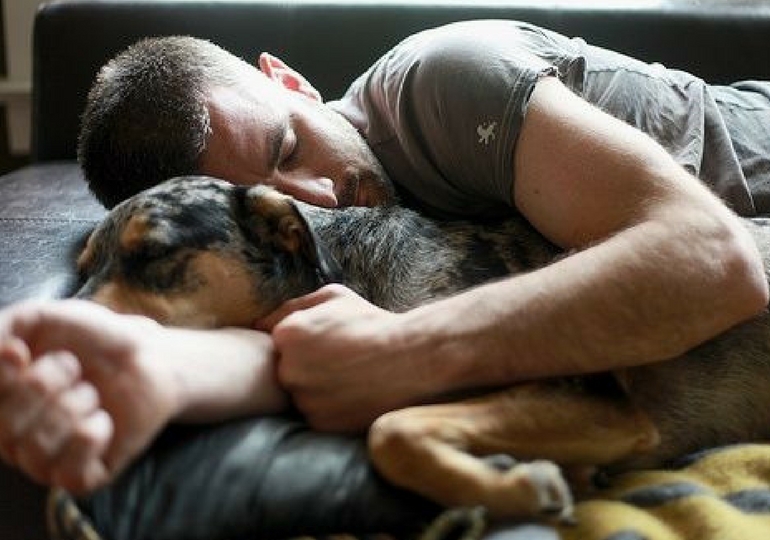
If there’s one thing we can’t resist, it’s cuddling with our dogs. And sure it makes us happier than we’d care to admit, but it’s actually beneficial to your pup as well. Not only is it great for some serious bonding, it also gives you an opportunity to give your dog a “check-up”. Here are five things you can check for while cuddling with your pup.

Check the Paws

Cuddling is a great time to check your pups paws. Check for long or ingrown nails – especially on the dewclaws (if they have them). If you notice your dog’s nails are getting a bit long, make an appointment with the groomer or cut them yourself!

Then the Mouth

Dogs don’t have the best breath in general (except puppy breath!), but if they have seriously bad breath, something may be wrong. Really bad breath can be from an infected tooth or severe allergies that are causing sinus drainage. Contact your veterinarian if your pup is sporting some bad breath during cuddle time.

Watch the Eyes

Most of the time our dog is focused on everything else but us, but a cuddle session is the perfect time to check your pup’s eyes. Check for things like red-rims, Blue Eyes, which can be a sign of allergies. And if you notice any clouding or anything unusual, contact your veterinarian.

Check the Ears

Cuddle time on the couch is a great opportunity to check your dog’s ears – especially if they don’t stick straight up. If they look a little dirty, book a cleaning at the vet or clean them yourself. And if you see anything out of the ordinary, give your vet a call.

Feel for Bumps

While you’re cuddling, pet your pup and be on the lookout for any unusual bumps. This is especially important for longer-haired dogs. You’ll be able to feel for or find any rashes, hot spots, bald patches, or bumps. If you find one, contact your veterinarian.

Who knew that a good cuddle session can be a great opportunity for a health check-up? Keeping these five points in mind is a great way to keep your pup in tip-top shape – and gives you the perfect excuse for cuddling on the couch!

4 Very Real Ways Your Dog Is Making You Healthier

4 Very Real Ways Your Dog Is Making You Healthier

It’s no secret dogs makes us happy. The joy they bring into our lives is incomparable. And now, some scientists think dogs can actually make us healthier, too. Here are four ways our pups are helping our health.

They Boost our Immunity

If you have a dog that loves to give kisses, you may not want to push them away. Studies have shown that dogs can help boost our immune system by spreading microorganisms through our environment. Humans and dogs actually carry many of the same bacteria, so the additional exposure helps us fight off infections.

And for those who worry about allergies, some studies have shown that children who share their homes with dogs are less likely to develop asthma and allergies over the years. They are also less likely to develop the skin condition eczema.

They Help our Hearts

Many heart conditions can actually be improved through owning a dog. Pup owners tend to have lower blood pressure and lower cholesterol levels. People who have dogs are also less likely to suffer from heart attacks. Not only are they less likely to suffer from heart attacks, they are more likely to survive one.

They Improve our Mental Health

Studies have shown that being around pets causes our brain to release oxytocin, also known as the “feel good hormone.” Pup owners are less likely to have a high production of cortisol, the hormone that is linked to higher stress levels.

Pet owners are also known to have lower levels of anxiety and depression. They are also known to have a higher self-esteem and calmer nerves.

They Get Us to Exercise

One on the greatest benefits of owning a dog is their ability to make exercise fun. Thanks to walks and games of fetch in the backyard, dog owners are 50% more likely to get their recommended 30 minutes of daily physical exercise.

If this doesn’t make you want to run out and add a dog to your life – if you don’t already have one – we aren’t sure what will. And if you already share your home with a pup, perhaps it’s time to add another. The more dogs you have the healthier you are – right?

6 Spring Activities That Your Dog Will Absolutely Love

6 Spring Activities That Your Dog Will Absolutely Love

Who doesn’t love spring? The weather is finally warm, the days are longer, and all you want to do is be outside. Do you know who else loves spring? Your pup. So help them make the most of the season with these six activities your dog will absolutely love.

Go Shopping

Shopping isn’t just for humans. Next time you’re on a walk with your pup, stop by some dog-friendly stores and restaurants. Bring your dog to a pet supply store, like Petco or PetSmart, for some retail therapy. Once you’ve had your fix – and added a few new toys to their collection – pop over to a dog-friendly restaurant or café to get a bite to eat and relax.

Work Out Together

Since the weather is warmer, now is the perfect time to take your workouts outside. Don’t go solo, though, bring your pup with you! Working out with your dog is a great way to bond while getting some exercise. Jogging or biking is a great spring workout for both you and your pup.

Go for a Swim

If you’re the owner of a water-loving dog, take them for a swim this spring. You can either go to a beach, a hiking trail near a lake, or try a nearby river. Even a small pond, stream, or creek can be the perfect place to play fetch for a ouple hours.

Go Camping

Why make your dog stay behind the next time you go on a trip? A camping trip is the perfect opportunity to bring your pup along. Whether you plan on staying in a tent or a (dog-friendly) cabin, camping is a great opportunity to bond with your pup and spend some quality time exploring or hiking.

Be Competitive

Share your home with a puppy? Spring is the perfect opportunity to try competitive training. Once your puppy gets the basics down – like sit, stay, and lie down – why not take it up a notch with competitive training? Agility training is a great way for dogs to learn something new and release all that pent-up energy from the winter. They’ll get to jump through hoops and make their way around other obstacles, a perfect complement to regular ol’ training.

Off-Leash Fun

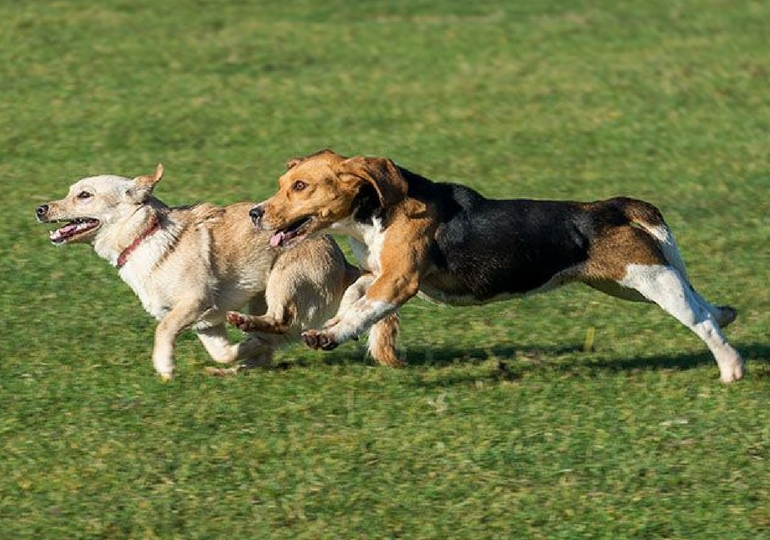
If there’s one place dogs love, it’s the dog park. Enjoy the warmer weather by taking your pup for some off-leash fun. If you live in an apartment, many complexes have off-leash areas but if you’re looking for a larger space, check out some dog-friendly beaches or dog parks. Not only will get to burn off some energy, they’ll get to meet and interact with other pups!

TRAININGYOURBESTFRIEND.COM

With these six dog-approved activities, you and your pup are sure to have the best spring ever!

How To Deal With Bullies At The Dog Park; The Dogs And Their Humans

How To Deal With Bullies At The Dog Park; The Dogs And Their Humans

Whether they are on two or four legs, no one likes a bully. And while bullies aren’t everywhere, they can definitely pop up in certain places – the dog park being one of them. So how do you deal with bullies – both dogs and humans – at the dog park? Here’s your guide.

Pay Attention

Most dogs love the dog park. Getting to run around with their furry friends and release some energy keeps them happy and healthy. But not every dog – or owner – feels the same way. One way to keep an eye on potential bullies is to pay attention.

While some pup parents like to kick back and relax at the dog park, that’s not necessarily the smartest thing to do. Watch how the dogs are interacting with each other and how the owners are responding to their dogs, including those that aren’t being watched closely. Being on alert will help you react quickly if you notice any bullying happening.

Leave

One of the best ways to avoid a dog park bully is to leave. If a dog isn’t being handled properly by their owner, the best scenario may be to leave.

Move

No, we don’t mean move out of the city or state, we’re talking about moving around the dog park. If you have more than one dog or there are a group of dogs playing nicely with your own pup, keep their attention on you by walking around or playing with them. This will provide a distraction from a bully.

Make Sure There is Space

A good way to avoid dealing with bullies is by going to a large dog park. In a smaller park, there is not enough space to move away from the bully, which can result in an altercation. In a larger park, you’ll be able to remove your dog from the situation by isolating them.

Don’t Engage with Bully Parents

While dogs can certainly be more energetic and bully-like than others, most of the time it’s the dogs’ owners you need to watch out for. If you notice a dog owner bully, the best thing to do is simply not engage. It may be hard to hold back – especially if they’ll yelling at your dog – but engaging could lead to more serious problems. So, it’s best to just let them be and head home.

Know When Your Dog is the Bully

Some dogs are just not meant for the dog park. No matter how desperately you want your dog to be a dog park lover, it may never happen. So if you do take them and they end up being the bully, apologize and stick to long walks or hikes instead.

VETSTREET.COM

Dog parks can be a wonderful experience for both you and your pup. But not every pup loves them. Use these tips to help you deal with dog park bullies – both in human and dog form.

Should You Really Be Letting Your Dog Sleep In Bed With You?

Should You Really Be Letting Your Dog Sleep In Bed With You?

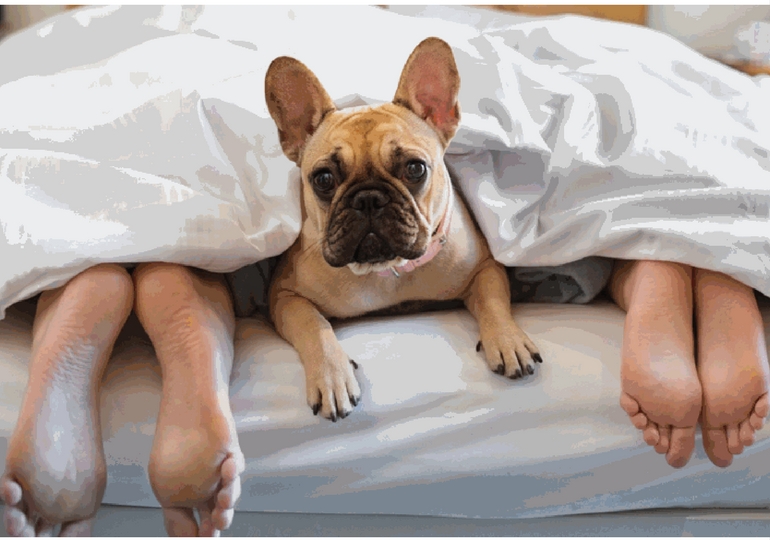
Picture this: you’re all settled into bed and you hear the familiar pitter patter of paws in the hall. Then comes the jump up on the bed and soon enough your dog is snuggled right under the covers the with you. If this feels like a familiar scene, you aren’t alone. Countless dog owners let their furry friends sleep with them. But the question is, should you really be letting your dog sleep in bed with you?

We’ve got the answers.

Pros

Bonding

Over 71% of pet owners let their pets occasionally share their bed. And now researchers say that if you’re already in that percentile, there is no need to stop – especially if everyone sleeps soundly. There are numerous psychological benefits to the feelings of safety and warmth that a pup provides while in bed.

Happiness

Certain research has shown that both you and your pup might benefit from cuddling in bed together. Touching or petting benefits increases oxytocin levels in humans’ brains. Oxytocin, also known as the ‘cuddle chemical’, helps increase our feelings of safety and trust.

Pack-Mentality

If you have more than one pup, sharing the bed can be an awesome way to increase the pack-mentality of the group. Wild dogs sleep together in the wild as a pack and the same rings true for domestic pups.

Cons

Health Issues

If you suffer from any allergies or asthma, it’s probably not a good idea to let your dog sleep with you. Furthermore, some research says that dogs can bring potentially harmful bacteria and viruses to bed – including fleas and ticks.

Sleep Interruption

One of the biggest cons to having your pup sleep with you is that they can cause serious sleep disturbance – especially if you or your dog moves around a lot.

Dominance Problems

This can be a con if your dog already has an issue with the family hierarchy. Sharing a bed with a hierarchical-challenged dog may make matters worse. But if your dog doesn’t exhibit any these tendencies, you should be in the clear.

Love Killer

If you share your home (and bed) with another human, adding a pup in there can kill the romance. This may especially true for energetic puppies or bigger dogs that love to sleep right in the middle of you.

Trouble Boarding

An often glossed over con for co-sleeping with your dog is that it makes it hard to travel with or without them. If they aren’t comfortable in a crate, it may be more difficult to find a dog sitter willing to share their own bed. It may also be harder to find a hotel that either allows dogs or with a big enough bed.

The Verdict

The verdict here is that it is generally fine to share your bed with your pup – as long as you’re sleeping well. If you suffer from insomnia or generally have trouble sleeping, a dog in the bed is only going to make matters worse. And, if you have any allergies or asthma, consider nixing the bed-sharing.

But, there are numerous benefits to sleeping with your pup. You get increased levels of oxytocin and your dog gets a sense of love and security. Plus, it makes cuddling with your pup a whole lot easier.

8 Reasons Your Dog May Be Limping

8 Reasons Your Dog May Be Limping

Dogs are resilient creatures – so when we see them limping in pain, we know something is wrong. While you may think a limp simply means a sprained muscle or broken bone, that’s not always the case. Here are 8 reasons your dog may be limping.

Broken Nail

If you’ve ever suffered from a broken nail, you know painful they are. Well, the same goes for dogs – especially since they have to walk on them! If the pain is severe, the dog will begin to limp. A broken nail can be caused by a tear or if it gets caught on something. Keeping your pups nails trimmed is a great way to avoid a broken one, especially since broken nails can become infected.

Torn Pad

A very common reason dogs limp is from torn pads. A torn pad can be caused by walking on rough terrain, walking too long on rough or hot surfaces – like dirt or sad – or making sharp turns. Active dogs tend to suffer from torn pads more often since they are on their paws more. If you notice a tear in your pups paw, consult your veterinarian.

Broken Bone

A broken bone is a serious cause of limping. Some broken bones are severe enough that they are obvious but others – like small fractures – may go unnoticed. A symptom of a fracture or broken bone is lameness and limping. If you suspect your dog may have a broken bone or a fracture, contact your veterinarian immediately. If caught early, they typically heal properly.

Panosteitis

A condition in some large breed dogs and puppies, Panosteitis (or Pano), occurs as these pups grow between the ages of 5 and 18 months. Although it’s cause is unknown, Pano is a type of bone inflammation that can last for several months – switching from one leg to the other. There is no treatment other than pain management. Common breeds that suffer from Pano are German Shepherds, Great Danes, Labrador Retrievers, and Golden Retrievers.

Elbow Dysplasia

Elbow dysplasia may cause limping in one or both of the front legs. Some dogs may go their entire lives without any symptoms of elbow dysplasia but others may show symptoms early on. It can only be diagnosed by a veterinarian using a radiograph and they will prescribe treatment based on the severity.

Hip Dysplasia

Dogs that suffer from hip dysplasia may go their entire life without any pain but some may start to show signs of limping at an early age. This disease can only be diagnosed by a veterinarian using a radiograph and they will offer treatment options depending on the severity.

Muscle Tear or Sprain

Another common cause of limping is a CCL tear. A CCL tear is a “tear in a cranial cruciate ligament that attaches the femur to the tibia.” A CCL tear is quite common and is typically found in overweight dogs that play and chase other dogs or toys. Canine athletes are also at risk. Similar to ACL tears in people, CCL tears are extremely serious and painful and require immediate veterinarian attention.

Bone Cancer

One of the more serious causes of limping is bone cancer, or osteosarcoma. These tumors can be extremely painful growths and may even be too small see without a radiograph. Veterinary care is extremely important as this type of cancer spreads quickly. A loss of the limb is a common result of bone cancer.

If you suspect your dog is suffering from any of these, contact your veterinarian immediately.

12 Tips to Get The Most Out Of Going To The Dog Park

12 Tips to Get The Most Out Of Going To The Dog Park

One: Make Sure They’re Well Behaved On-Leash

Before you attempt to take your dog to the dog park and let them run off-leash, make sure they’re well behaved on-leash. 

Because there are a lot of new things to see and smell at the dog park, your pup might be tempted to behave erratically.

If your dog doesn’t behave on-leash, they’re not ready for the dog park. 

Two: Know Where They Are At All Times

Dog parks are big, open, and full of dogs. It’s ultra easy for your dog to wander away. They can go out of sight without you even noticing. 

Because of the general confusion at dog parks, it’s a must to keep track of your pup. 

Rover.com

Three: All Introductions Done On-Leash First

When dogs meet, they like to be on equal footing. When one dog is leashed and the other isn’t, it can make the leashed dog fearful or defensive. 

It will also let your dog know that you’re in control of the walk, their behavior, and their protection. 

Four: Practice Off-Leash At Home First

If you have a yard, or a small area at home where you feel safe, let your dog practice being off-leash there. 

If they have any doggie friends, bring them over to practice with your pup. This gives your dog the opportunity to be off-leash with other dogs around. 

Five: Try Off-Leashed In A Fenced Area

Go away from your yard to a place with a secure fence. Tennis courts and baseball fields are good for this. Let your dog off-leash to practice for the park. Look for triggers of bad behaviors and correct them in practice. This can help save your dog’s life. 

Rover.com

Six: Make Sure They’re Mind Their Manners First

If your dog is misbehaving in the practice areas, do not go to the dog park until you feel they are reasonably perfect. 

Seven: Pay Attention

Cesar Milan is fond of saying that most dog park problems come from owners “checking out” once their dogs start to play. They get lost in conversations, texting or emailing, or watching videos on their phone. Even well behaved dogs can get spooked and dart away. For your dog’s safety, pay attention at all times. 

Eight: Practice Commands

The more familiar and efficient your dog is following commands, the safer they’ll be at the park. 

Nine: Watch For Over-Possessiveness Or Guarding

Being around strange dogs can trigger your dog to resource guard. This leads to a lot of fear biting and fear-aggressive incidents. If you notice your dog becoming possessive of a toy, ball, or any other object, step in and correct them. 

Ten: Praise Good Behavior

Every minute at the dog park, and right after, is an opportunity to reenforce good behaviors. Make sure you correct the bad, but praise and reward the good as well. 

Eleven: Watch Water Intake

Dogs can easily slip into dehydration when at the dog park. There is a lot of excitement and activity. Make sure your dog is drinking water while you’re there, and that they take breaks as needed. 

Twelve: Exercise Away From The Park Too

Don’t rely on the dog park for your dog’s exercise. There is a lot of physical activity, but there’s also a lot of energy and excitement. Walking is still needed. Walking to the park, especially if the walk is 10-mins or more, is a great way to exercise and drain excess energy from your pup to prevent behavior problems while running around the dog park. 

Senior ‘Dog Prom’ Helps Older Adoptable Dogs Find Forever Homes

Senior ‘Dog Prom’ Helps Older Adoptable Dogs Find Forever Homes

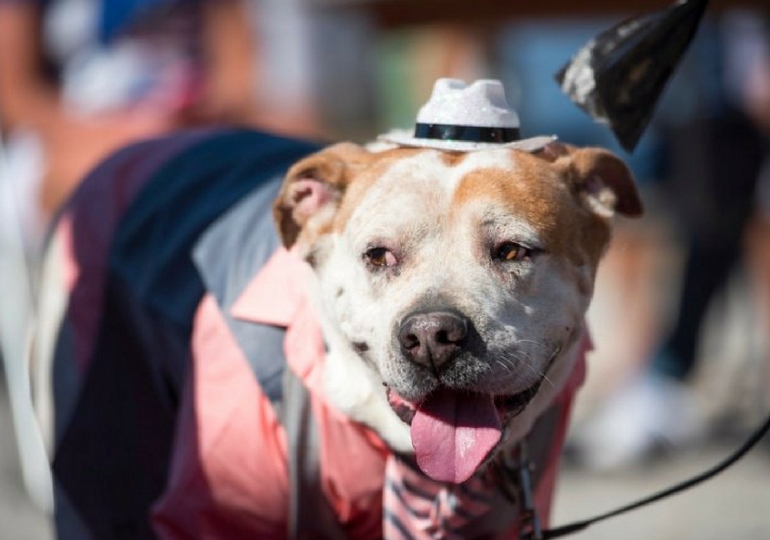
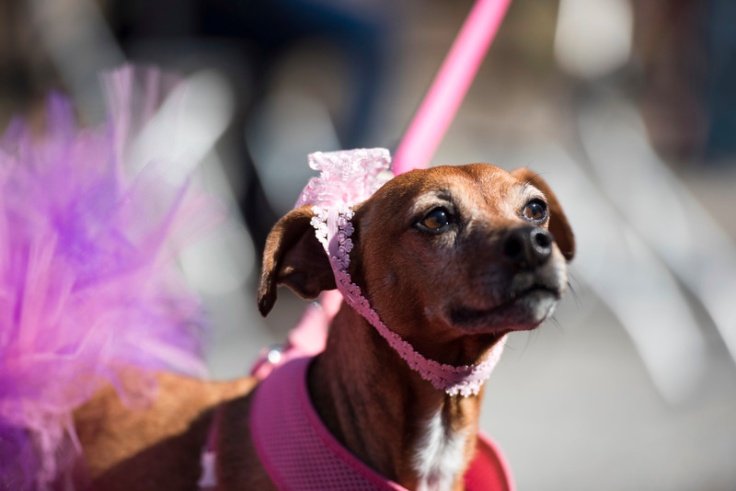
For senior shelter dogs, life is a little tougher. They often get overlooked for the younger, more vibrant dogs or the too-cute-for-words puppies. But there is something about an older dog that makes them a little extra special. And thanks to a group in Florida that threw them a ‘dog prom’, they got their time to shine.

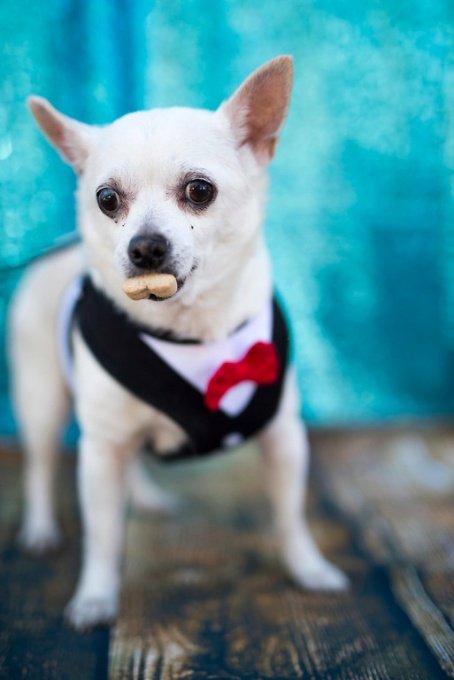
The prom, hosted by The Dog House, brought 40 senior shelter dogs – ranging from 5 to 20 years old – together from 13 animal rescues in the Tampa Bay area. The pups dressed to the nines – wearing fancy outfits and flower crowns – all in hopes of getting adopted.

ROVER.COM

Many people think that senior dogs come with potential health issues and are hesitant to add them to the family.

In fact, according to a Petfinder.com survey, the typical shelter pet spends around 12 weeks on their website before finding a home. Senior dogs, though, spend nearly four times as long on the site.

While there is the possibility that senior dogs come with health issues, they also tend to have a solid training foundation, a milder temperament, and an easier transition into family life than an adolescent dog or puppy. Older dogs are also wonderful for families that live less active lifestyles.

So The Dog House wanted to do something about it. They wanted to show that senior dogs still have a lot of life left in them – and that they can still rock a prom dress.

“We wanted to have an event that not only included senior adoptable, but put the spotlight on the them,” Kelli Chickos said.

And the event proved to be a success – six dogs found their forever homes!

The Best Names For Your German Shepherd Dog

The Best Names For Your German Shepherd Dog

DOGTIME.COM

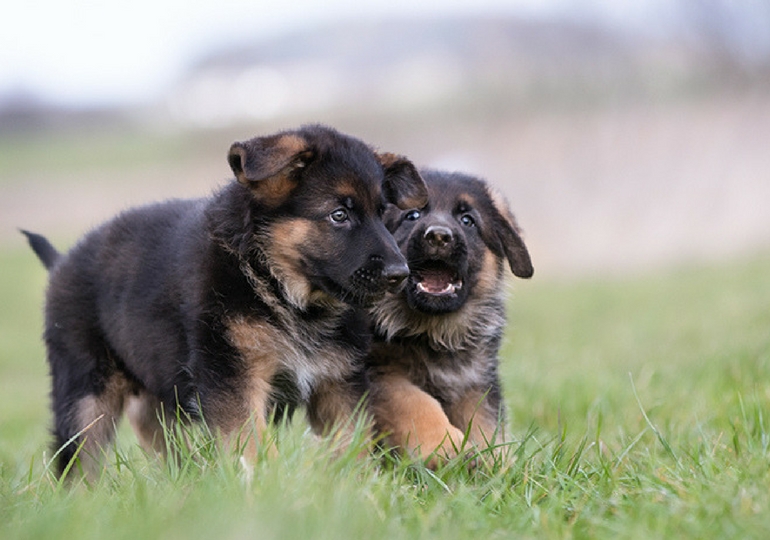
In addition to their striking beauty, German Shepherds are extremely intelligent, spunky, loyal, and an overall joy to be around. If you recently added a German Shepherd to your family, be ready for a lifelong companion full and personality and zest. But now comes the hard part – what are you going to name them? If you’re completely stumped on what to name your German Shepherd – we’re here to help. Below are some of the best names for both female and male German Shepherds!

Female

Athena

Greek goddess of wisdom and warfare and the daughter of Zeus.

Asia

Of Greek origin meaning “sunrise.”

Belle

“Beautiful” in French.

Brownie

A popular dessert, also refers to the dark colors of a German Shepherd.

Cleopatra

Of Greek origin meaning “glory of the father” and was the name of the queen of Egypt.

Dixie

A southern name, Dixie is often used as a name for spunky dogs. Also a term for the whole American South.

Elle

Of French origin and means “she.”

Evita

Evita is of Hebrew origin and means “living one.”

Kasha

Typical spelling of the Polish name “Kasia” and means pure and beautiful.

Leena

Leena is of Muslim origin and means “tender.”

Maxie

Of English origin and means “the greatest.”

Millie

Millie is a Latin name and means free-born and noble.

Nikita

A Russian name, Nikita means “victory of the people” and “unconquerable.”

Olive

Perfect for laid-back German Shepherd, Olive is a Latin name that means “symbol of peace.”

Petra

Derived from the Greek work “petros” which means “stone, rock.”

Ruby

Typically refers to the gemstone, ruby comes from the Latin word “ruber” which means red. It’s the birthstone for the month of July.

Sadie

Sadie is a derivative of Sarah and means “princess.”

Sage

Of English origin, Sage means “wise one.”

Tasia

Tasia is a Greek name that means “resurrection.”

Venus

The Roman goddess of love.

VETSTREET.COM

Male

Axel

A Scandinavian name, Axel means “father of peace.”

Apollo

Apollo was the son of Zeus and the god of prophecy, beauty, and wisdom.

Bruno

A German name, Bruno comes from the word “brun” which means shield or armor.

Captain

Of English origin, captain means “he who is in charge.”

Duke

Duke is an English name and used as royalty title.

Dakota

Can refer to the indigenous Native American tribe and translates into “friend” or “friendly” – perfect for a laid-back, friendly German Shepherd.

Falcon

Of English origin, a falcon was regarded as a symbol of spend and courage during the Middle Ages.

Hudson

Thought to be related to the Old Saxon name “Hugh” that comes from the German word “hug”, which means “heart, mind, spirit.”

Jack

A common name during the Middle Ages, it became a slang word for “man.”

Kuma

Kuma is the Japanese word for “bear” – perfect for a big, fluffy German Shepherd.

Max

Short for both Maximilian, meaning “greatest” and Maxwell, meaning “great spring.”

Nova

Of Latin origin, the name Nova means “new, young.”

Napoleon

Of Italian origin, Napoleon often refers to the famous Napoleon Bonaparte.

Orion

Orion is a Greek name meaning “rising in the sky” or “dawning.” In mythology, Orion was a hunter and son Poseidon. Also refers to the constellation.

Radar

Perfect for a German Shepherd pup with big ears!

Rusty

Often used as a nickname for red-haired people or dogs.

Tarzan

A fictional character, the name Tarzan was made famous by the movie “The Legend of Tarzan.”

Thor

Of Old Norse origin meaning “thunder.” Also refers to the Norse god of strength, war, thunder, and storms as well as the son of Odin.

Viking

Viking is of Old Norse origin and means “raider.” Also refers to the pirates and traders who settled in parts of northwestern Europe during the 8th and 11th centuries.

Zorro

Zorro is Spanish for fox – perfect for a clever and sly German Shepherd.

Ultimately what you name your new pup is up to you. But if you’re scrambling for one and need some help – consider one of these unique names for new German Shepherd pup!

Want to Contact Me?

Hellonuzzle