
Author: Orla O'Keefe

Most of my day is spent playing with dogs. When they nap, I'm here working on my blog. You're welcome to reach out and connect with me.

Safeguarding Your Pet’s Health During an International Relocation

Safeguarding Your Pet’s Health During an International Relocation

Relocating across borders can be a stressful process, especially when traveling with pets. And safeguarding your pet’s health is crucial during this transition. But together we’ll cover vital preparations, including veterinary check-ups, necessary vaccinations, and the arrangement of travel logistics tailored to ensure their well-being. By focusing on these key areas, you can maintain your furry friend’s comfort throughout the move, setting the stage for a smoother adjustment to your new home.

Pre-Relocation – Preparing Your Pet for the Journey

Before your departure, it’s vital to focus on ensuring your pet’s well-being.  First, schedule a visit to your veterinarian. Confirm that your pet’s vaccinations are current and tailored to your new location’s health standards. Discuss any travel-related health concerns and get advice on sedation and anxiety management options if necessary. Bear in mind that different countries have specific entry requirements for pets. You may need additional health certificates or a pet passport for your furry friend. Contact the relevant authorities to ensure you have all necessary documents well ahead of your travel date.

Next, choose an airline known for handling pets safely and compassionately. Review their pet policies thoroughly to avoid any surprises on travel day. In addition, invest in a high-quality, IATA-approved carrier that meets airline specifications for size and safety, ensuring your pet’s comfort throughout the journey. Secure your current residence by ensuring that all potential hazards are removed, and your pet’s living area is as calm and stable as possible until departure. This helps minimize stress for your pet leading up to moving day. However, moving is also stressful for us humans. One way to minimize it is to ensure your household items are safely transported. To add to that, hiring a company that also offers professional packing services can secure your belongings, giving you more time to focus on your pet’s travel needs.

Scruffy dog looking out the window of a train

Caption: The means of transportation is just as important as the journey itself when it comes to our pets.

Travel Day Strategies for Safeguarding Your Pet’s Health

Ensuring your pet remains comfortable and safe during the move is vital. And for starters, make sure you only feed your pet a light meal several hours before the trip to prevent travel sickness. Keep to their regular medication schedule and pack an extra supply for emergencies. This careful timing helps avoid discomfort and stress. Secondly, place familiar items, such as a beloved toy or blanket, inside your pet’s carrier to create a soothing environment. Consider a vet-approved sedative or stress-relief aids if your pet is known to experience anxiety during travel.

While focusing on your pet’s needs, don’t forget the work behind of your own move. It’s a good idea to use a service like movingtransparent.com to alleviate some of the pressures and responsibilities. Such companies can assist with the daunting task of the actual logistics of moving your possessions. Thus, they’re helping you remain calm and supportive for your pet during the move. By implementing these strategies, you can ensure your companion’s journey is as smooth as possible. This in turn is reflective of  a careful approach to safeguarding your pet’s health during the relocation.

Kitten in a pet carrier in the middle of a field

Caption: Moving to an environment that might be completely different from the old one can come as a shock to our furry friends, so make sure you’re prepared.

Upon Arrival – Acclimating Your Pet to New Surroundings

Arriving at your new home marks a significant transition for your pet. And to help them adapt comfortably, once you arrive, give your pet time to adjust to their new environment quietly. Importantly, offer them water and a quiet space to rest, away from the bustle of moving activities. Watch for any signs of stress or discomfort that might need attention.

Following that, introduce your pet to their new home gradually, especially to ensure the calm of an anxious animal. Start with one room, allowing them to become familiar with its sights, sounds, and smells. Slowly expand their access to other areas of the house to prevent overwhelming them. In addition, locate a veterinarian as soon as possible. Schedule a check-up to ensure your pet handled the move well and discuss any necessary changes in care or vaccinations specific to the area. Last but not least, update your pet’s microchip information with your new address and contact details.

Ferret on a rug with different lighting and shadows

Caption: Ensure that your pet is welcomed in your new country, as per their legislations.

Long-Term Health Maintenance in a New Country

Settling in a new country requires attention to your pet’s long-term health.  For starters, research common health risks for pets in your new location. Adjust your pet’s preventive care routine to address these new challenges. This might include new vaccinations or treatments for local parasites.

Then, schedule regular vet visits to monitor your pet’s health. Use these appointments to discuss any concerns and ensure your pet’s vaccinations and treatments are up to date. Regular check-ups help catch any potential health issues early. Keep your pet’s daily routine consistent with feeding, exercise, and playtime. A stable routine can reduce stress and promote physical and emotional well-being, the hallmarks of a truly pet-friendly home.

Alt: Gecko lizard looking at its reflection

Caption: No matter the kind of pet you have, their new home should pe properly equipped to accommodate them.

### Establishing a Support Network for Your Pet

Creating a support network is key for your pet’s happiness and well-being in a new environment. In the first place, identify reliable local services such as veterinarians, groomers, and pet sitters. Establishing trust with these providers ensures you have support for routine care and unexpected situations. Ask for recommendations from neighbors or local pet stores to find the best options.

Following that, connect with local pet owners through online forums, community boards, or neighborhood groups. These connections can offer valuable advice specific to the area and may lead to new friendships for you and your pet. Participate in local events or pet meetups to enhance social engagement.

Likewise, seek out and visit places that welcome pets, like parks, trails, and cafes. Regular outings to these spots can help your pet adjust to new sights and sounds while staying active and social. For instance, Europe is full of cities with pet-friendly infrastructure and activities, so make sure to explore what your new hometown has to offer. Check local resources for recommendations on the best pet-friendly locations.
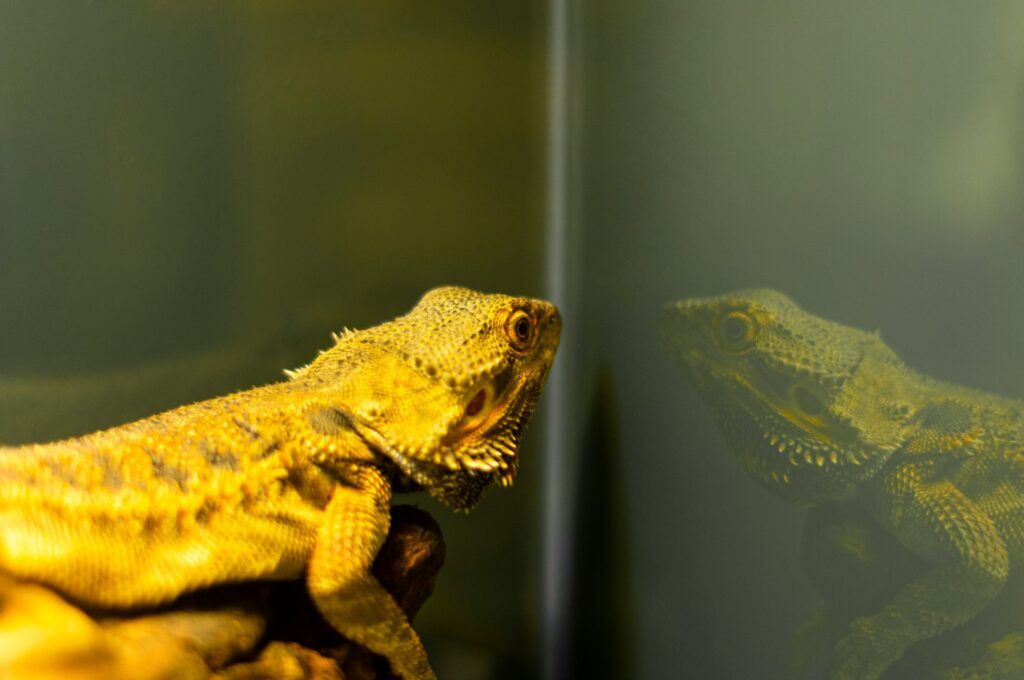
Gecko lizard looking at its reflection

Caption: Especially in multi-pet households, the way the transition is handled will make or brake their reaction to the new surroundings.

### Conclusion: Commitment to Your Pet’s Health Post-Relocation

Ensuring your pet’s health and happiness in a new country is an ongoing commitment. And each phase, with every step we’ve covered plays a critical role in safeguarding your pet’s health. Stay attentive to your pet’s needs as they adjust over time. Regular health checks, maintaining routines, and monitoring changes are essential. And keep in mind that moving with a pet requires careful planning and adaptation. Your dedication to their well-being can make a significant difference in how quickly and comfortably they settle in. Ultimately, only you can ensure a healthier and happier life for your pet in your new home.

Decoding the Mystery: Keeping Our Furry Friends Safe and Secure

Decoding the Mystery: Keeping Our Furry Friends Safe and Secure

The Deep Emotional Connection Between Dogs and Owners

Our dogs are not just pets; they’re our loyal companions, deeply intertwined in our lives. The emotional bond we share is profound, and when a dog runs away, it leaves a noticeable void. Understanding the reasons behind their escape attempts is crucial for preventing such incidents and nurturing our relationship with these loving animals.

In-Depth Look: Why Do Dogs Run Away?

  1. Instinctual Behaviour:
  2. Reason: Certain breeds have a natural instinct to hunt or roam. Dogs like hounds, terriers, and herding dogs might display these behaviours more strongly.
  3. Solution: To curb these instincts, provide ample exercise and engage in activities like tracking games or herding sports that mimic their natural behaviours. This not only keeps them physically active but also mentally stimulated.
  4. Fear or Stress:
  5. Reason: Dogs can be sensitive to loud and unexpected noises. Events like fireworks, thunderstorms, or even construction work can trigger their flight response.
  6. Solution: Build a calming environment during stressful events. Soundproofing a room or playing soothing music can help. Consider consulting a veterinarian or animal behaviourist for dogs with severe anxiety.
  7. Boredom or Loneliness:
  8. Reason: Dogs are social creatures. Lack of social interaction or physical activity can lead them to seek stimulation elsewhere.
  9. Solution: Regular playtime and companionship are key. Puzzle toys, interactive games, and even a playmate (another pet) can keep them engaged and reduce the likelihood of them running off.
  10. Lack of Proper Fencing or Supervision:
  11. Reason: An unsecured yard is an open invitation for a curious dog to explore the outside world.
  12. Solution: Ensure your fencing is high enough and without gaps. Consider an invisible fence or a leash tethering system for added security. Always supervise your dog when they are outdoors.
  13. Unneutered/Unspayed:
  14. Reason: The natural drive to mate can be powerful in unneutered or unspayed dogs, leading them to wander in search of a partner.
  15. Solution: Spaying or neutering can drastically reduce this behaviour, along with providing health benefits.
  16. Curiosity:
  17. Reason: Dogs are inquisitive by nature and may leave to investigate new environments, especially if their curiosity isn’t satisfied at home.
  18. Solution: Regular walks in different environments can help satisfy their curiosity. Training commands like “stay” or “come” can also be effective in preventing unsupervised wandering.

The Ultimate Safety Measure: Pet GPS Tracker

For added peace of mind, consider equipping your dog with a Pet GPS Tracker. This modern tool helps you monitor their whereabouts and ensures a quick response if they wander off.

Key Takeaways: Strengthening the Bond with Our Canine Friends

By understanding and addressing the reasons behind a dog’s tendency to run away, we can create a safer and more fulfilling environment for them. Engaging in activities that cater to their instincts, ensuring their safety through proper supervision and secure fencing, and providing emotional support through companionship and anxiety management are crucial. The addition of a pet GPS tracker is a smart way to keep tabs on your adventurous friend. Remember, each step we take towards understanding and catering to our dog’s needs not only ensures their safety but also deepens the unique bond we share with our loyal companions.

Reasons to Support Your Local Animal Rescue

Reasons to Support Your Local Animal Rescue

Many people prefer to adopt dogs or cats from shelters and rescue operations. This is a responsible choice that can help animals find forever homes and save money on pet supplies and veterinarian visits. However, shelters and rescue processes need support to continue their important work. Here are four ways you can help your local animal rescue organization.

Helping Animals Get a Second Chance

Rescues and shelters save animals from euthanasia by finding them loving homes. They also provide rehabilitation and training to help abused animals recover and adjust to life in the outside world. Rescue organizations like the Humane Society of New York need volunteers to clean up messes, run events and assist with adoptions. They also need tech-savvy people to manage websites and social media accounts. Those who can’t volunteer in person can still help a shelter or rescue by donating money. This allows them to buy the necessary supplies and cover vet bills, spay/neuter costs and other expenses. By adopting pets, you can give them a second chance at life and help break the pet overpopulation cycle. You can also stop cruel breeding practices by refusing to purchase pets from commercial breeders.

Helping Animals Find Forever Homes

Animal shelters and rescues work tirelessly to connect pets with their forever families. You can help them by adopting or fostering, donating money or supplies, volunteering and spreading the word. Animal shelters need help with daily expenses and supplies, as well as for renovations and community outreach programs. Start a fundraising campaign for your local shelter or rescue. Rescues often have a smaller adoption process and are more flexible regarding how many animals they can take in. However, not all returns are reputable; contact veterinarians, other rescue groups in your area, and municipal shelters for references before choosing one. Also, look for 501(c)(3) nonprofit status and ask for the rescue’s records. This will ensure that your donation is tax-deductible.

Helping Animals Get the Medical Care They Need

Animals in shelters and rescues often need vaccinations, spaying or neutering, and medical care for injuries and illnesses. Many animals are surrendered to shelters by their owners due to evictions, financial hardships or other reasons. It is easy to get involved with your local rescue or shelter. Typically, these organizations are volunteer-run and survive on donations and adoption fees.

These groups need help cleaning cages, cooking food for the animals, fostering a dog or cat, planning outreach events, and writing pet adoption profiles. Crowdfunding is a great way to raise money for animal shelters, especially for expensive procedures. These funds can cover surgery costs and other medical treatments. This helps keep rescues open and increases the chances of finding a forever home for the pets they serve.

Helping Animals Become More Social

Animal rescues take in animals that cannot stay in municipal shelters and may specialize in certain breeds or special needs. They also scout for animals in other covers and help people find the best pet for their lifestyle. Many rescues have foster programs where they place animals in homes until they get adopted. This helps keep the animals socialized and allows them to live a normal life away from their kennels. It has been shown that fostering can increase an animal’s chances of adoption since it keeps the pets out of the kennel environment.

While most rescues cannot take in-person volunteers due to the COVID-19 pandemic, there are still ways to support your local shelters and animal rescues. Consider donating supplies or starting a fundraiser to cover expensive medical treatments for homeless animals.

Helping Animals Learn New Skills

Animal rescues are crucial to local communities in a variety of ways. They provide shelter and medical care to animals in need and help rehabilitate these pets and give them second chances in their new homes. Some animals require special training to get accustomed to life in a home, while others need assistance with behavioral issues such as food aggression or separation anxiety. In addition, some animals may need to learn to walk on a leash or how to play with other dogs or cats. You can help by volunteering your time to teach these animals valuable skills. Many shelters and rescue groups have wishlists on their websites that list items they need. These include towels, toys, and other supplies.

Managing Your Dog’s Dental Health

Managing Your Dog’s Dental Health

As responsible dog parents, we do everything we can to keep our furry friends healthy and happy. However, one area that is often overlooked is dental health. Just like humans, dogs need proper oral care to prevent dental issues and ensure overall well-being. That’s why we’ve put together this guide to your dog’s dental health, complete with warning signs to look out for, routine care tips, and strategies to maintain optimal dental wellness without recommended products. Read on to learn more about doggy dental care!

Recognize Warning Signs of Dental Issues

It’s essential to identify any potential dental problems early to prevent them from worsening. Look for the following warning signs:

  • Bad breath – While it’s normal for dogs to have occasional bad breath, a persistent foul smell can indicate a dental issue.
  • Difficulty eating – Observe whether your dog struggles to chew or has reduced appetite, as this can be due to tooth pain.
  • Swollen or bleeding gums – Inflamed gums are definitely a red flag, indicating possible gum disease.
  • Loose or missing teeth – Adult dogs should have a full set of 42 teeth. If any are missing or loose, consult your veterinarian.
  • Excessive drooling – If your dog drools more than usual, it might be due to tooth pain or gum discomfort.

Establish a Routine

It’s crucial to establish good dental hygiene habits early in your dog’s life. Starting dental care as a puppy will make it easier for them to accept and cooperate with dental routines as they grow older. Furthermore, early intervention can help prevent many dental issues and keep their oral health in check throughout their life. Introducing your puppy to tooth brushing and dental chews as early as possible can help ensure a lifetime of healthy teeth and gums.

Establishing a consistent home dental care routine can go a long way in preventing dental issues. Brush your dog’s teeth daily using pet-safe toothpaste and a soft-bristle toothbrush. Inspect your dog’s teeth and gums regularly for any signs of inflammation, discoloration, or debris, and use dental chews, toys, and treats to help clean their teeth and promote gum health. Provide a balanced diet to help maintain overall health, including dental health. It’s essential to be informed about what your pet can eat, like understanding can dogs eat pineapple or other foods that might affect their oral hygiene. Try to acclimate your dog to having their mouth touched from a young age to make dental care easier.

Some dogs may be anxious or resistant when it comes to dental care. If your dog is nervous about having their teeth cleaned or examined, it’s essential to address their fears and create a positive experience. Gradually introduce your dog to dental tools and techniques, using treats and praise to motivate and reward them. You can also consider using a calming treat or supplement to help ease anxiety during dental care. Building trust and patience will eventually help your dog feel more comfortable with dental routines, resulting in better oral hygiene and health.

Seeking Professional Help

If your dog exhibits persistent dental issues despite consistent home care, it’s essential to consult a professional. Dental issues may sometimes be linked to underlying health problems, such as diabetes or thyroid disorders. A veterinarian or veterinary dentist can help diagnose the root cause of persistent dental issues and recommend effective treatments or adjustments to your dog’s dental care routine. Seeking help early can prevent minor dental issues from progressing into severe and potentially costly problems.

Scheduling regular dental checkups with your veterinarian is critical to your dog’s oral health. Most vets recommend a dental exam at least once a year, but if your dog is predisposed to dental issues or has a history of them, bi-annual check-ups might be necessary. Your veterinarian can identify any dental concerns, provide professional cleaning, and recommend appropriate care for your dog’s individual needs.

Understanding Dog Dental Anatomy

To provide the best dental care, it’s essential to understand your dog’s dental anatomy. Familiarize yourself with the types of teeth dogs have:

  • Incisors – Small teeth at the front used for biting and grooming
  • Canines – Long, sharp teeth on the sides used for tearing
  • Premolars – Situated behind the canines, used for cutting and shearing
  • Molars – Located at the back, used for grinding and crushing

Each type of tooth serves a specific purpose, and any damage or missing teeth can affect your dog’s ability to chew and even their overall health.

When it comes to your dog’s dental care, don’t be tempted to use human toothpaste or dental products, as they may contain ingredients toxic to dogs, like xylitol or fluoride. Instead, look for dog-friendly products vetted for safety and effectiveness.

Conclusion

Your dog’s dental health is just as important as their overall well-being. By recognizing warning signs, scheduling regular check-ups, and maintaining a consistent dental care routine, you can help prevent dental issues and ensure a happy, healthy life for your furry friend. Remember to always use dog-friendly dental products and familiarize yourself with their dental anatomy to provide unparalleled care. With diligence and dedication, you can keep your dog’s pearly whites in tip-top shape, ensuring their oral health for years to come.

Common Causes of Dog Vomiting

Common Causes of Dog Vomiting

Regurgitation is a frequent difficulty among canines and can be ascribed to numerous elements. It can be a frightening experience for pet proprietors, particularly if they don’t have the foggiest idea of what’s causing it. However, even though the occasional spewing is generally nothing to stress over, relentless retching can signify a progressively genuine medicinal condition. In this article, we’ll inspect the common reasons for pooch heaving and what pet proprietors can do to help forestall it.

Gastrointestinal Upset

Gastrointestinal upset is one of the most common causes of dog vomiting. This condition is caused by various factors, such as eating something that disagrees with your dog or a sudden change in diet. Bacterial or viral infections, parasites, or stress can also cause it. Gastrointestinal upset can cause your dog to vomit multiple times in one day, but the vomiting should stop after 24-48 hours.

Ingestion of Foreign Objects

Another common cause of dog vomiting is the ingestion of foreign objects. Dogs often eat things they shouldn’t, such as rocks, sticks, toys, and other items they find around the house. If these objects get stuck in their digestive system, they may cause inflammation, leading to vomiting. Surgery may sometimes be necessary to remove the object from the stomach or intestines.

Toxin Exposure

Plants and household chemicals are some of the dogs’ most common sources of toxins. For example, eating plants such as lilies or tulips can cause kidney failure in dogs, while ingesting household cleaners can lead to severe poisoning and even death. If you suspect your dog has eaten something toxic, contact your veterinarian immediately for treatment.

Food Allergies

Food allergies are another common cause of dog vomiting. Dogs may be hypersensitive to certain components in their sustenance or tidbits, which can bring about sickness and spewing after devouring them. If your puppy has been encountering the next scenes of regurgitating after eating specific nourishments, converse with your vet about conceivable sustenance sensitivities and how best to manage them.

Infectious Diseases

Contagious maladies such as parvovirus or contagion can also beget canine regurgitation. These pathologies are tremendously transmissible and necessitate urgent veterinary attention if you believe your animal has been subjected to them. Immunizations are obtainable for both parvovirus and contagion and should be administered straightaway to lessen the likelihood of infection.

Stress

Stress is another potential cause of dog vomiting that pet owners often overlook. Dogs can become stressed due to changes in their environment, such as moving houses or meeting new people/pets, loud noises (such as fireworks), long car rides, etc., all of which can trigger nausea and subsequent vomiting in some dogs. If you think stress could be causing your pet’s vomiting episodes, speak with your veterinarian about ways to reduce their stress levels, such as behavior modification training or providing more mental stimulation through activities like puzzle toys or playtime with other pets/people they trust.

Pancreatitis

Pancreatitis is an affliction of the pancreas that occurs when digestive enzymes become overly vigorous and assail other organs in the body, comprising the stomach wall, which can generate nausea and resultant vomiting in canines suffering from this condition. Manifestations include abdominal soreness/discomfort, looseness of the bowels, desiccation, weight loss, languidness/frailty, and fever, among others; if not remedied, it could turn out to be lethal, so it’s imperative to look for veterinary attention straight away if you think pancreatitis might be triggering your pet’s symptoms.

Kidney Disease

Kidney disease is a serious disorder that may cause frequent episodes of nausea and consequent regurgitation in puppies that have it; however, it should be acknowledged that kidney disease itself does not constantly cause these signs directly but rather exacerbates them due to desiccation which then leads to queasiness/vomiting resulting from an irregularity in electrolytes within the body caused by the sickness. Ergo, if you think your furry friend has kidney disease, promptly seeking veterinary attention for diagnosis and treatment is indispensable.

Preventative Measures

Fortunately, there are a few preventative measures pet owners can take to help reduce the risk of their pet experiencing vomiting episodes:

Ensure they eat a balanced diet appropriate for their age and weight; if you’re unsure which food is best for your pet, speak with your veterinarian.

Limit their access to potentially dangerous objects or toxins that could lead to vomiting if ingested.

Ensure they get plenty of exercise and mental stimulation through activities such as walks or puzzle toys; this will help reduce their stress levels and keep them healthy overall.

Conclusion

Vomiting is a frequent issue among canines and can be sparked by multiple reasons, from stomach disarray to swallowing alien objects to toxin contact. Fortunately,y animal owners can take a few precautionary steps to lower the likelihood of their pet going through vomiting episodes, for instance, giving them a nourishing diet and limiting their access to dangerous items/toxins. But if your pet has often been retching or appears unwell in any way, instantly reach out to your veterinarian for diagnosis and treatment.

The Wolf vs. the Dog: How Man’s Best Friend Evolved

The Wolf vs. the Dog: How Man’s Best Friend Evolved

Dogs are a part of our everyday life. They’re our trusted companions, our children’s playmates, and in some cases, our essential helpers.

But what is the connection between a dog and a wolf? Have you ever wondered if the wolf is the same as the man’s best friend? What is the relationship between the two?

The short answer is while scientists now believe that wolves and dogs are the same species, domestication has separated the wolf from the dog in many physical and mental characteristics.

All modern dogs are descended from the gray wolf, known as Canis lupus. Dogs are scientifically known as Canis lupus familiaris, indicating a common species with the gray wolf.

Let’s find out how mankind domesticated dogs and what are the similarities and differences between wolves and dogs.

When and Where Were the First Dogs Domesticated?

The domestication of early dogs from the ancient wolf is believed to have begun between 27,000 and 40,000 years ago.

The location of dog domestication is still a subject of intense debate among scientists. Some research suggests that dogs were first domesticated in East Asia, while others argue that it may have happened in Europe or the Middle East.

Despite this ongoing quest for pinpointing the exact location and time of dog domestication, most scientists agree that our furry friends have been man’s loyal companions for at least 15,000 years.

Domestication transformed wolves into our canine friends, altering their appearance, behavior, and genetic makeup. Today, dogs come in a variety of breeds and have unique abilities to assist us as service animals, therapy dogs, search and rescue partners, and more.

How Did Dog Domestication Happen?

There are several theories about the process of domestication of dogs from wolves. One theory suggests that early humans captured wolf pups, kept them as pets, and gradually domesticated them.

Another theory proposes that wolves began following mobile hunter-gatherers, and over time, a wolf population became an ecotype suited to the human niche created by hunter-gatherers, leading to the domestication of dogs.

How Wolves and Dogs Are Similar

  • Dog DNA is 98.8% the same as wild wolf DNA.
  • Dogs of similar size to a wolf share a similar life expectancy of 12-14 years in captivity.
  • Like wolves, dogs also have an impeccable sense of smell, far superior to that of humans.
  • They both display similar body language at times, such as tail wagging and growling.
  • The gestation times and life expectancies of dogs and wolves are remarkably close to each other.
  • Both dogs and wolves have a pack mentality, living in social groups and displaying hierarchical behaviors.

Differences Between Dogs and Wolves

  • Domestic dogs have evolved to be more sociable and responsive to human facial expressions and body language.
  • Typical wolf behavior is generally elusive and distrustful of everything, especially humans, while dog behavior is more trusting and submissive.
  • Wolves form stronger family units within their pack.
  • Only the alpha female wolf is allowed to breed, while there is no such hierarchy or difference among dogs.
  • Dogs reach maturity at 6-8 months of age, whereas wolves do not mature until 2-3 years old.
  • Wolves have larger and stronger skulls, jaws, and teeth compared to dogs.
  • Wolves typically have yellow or amber eyes, while dogs more commonly have brown or blue eyes.
  • The paw of a dog is about half the size of a wolf’s paw.
  • Some dogs have tails that curl upwards, unlike wolves.
  • Adult wolves do not bark. Only wolf cubs and adolescents have that trait.

Selective Breeding as Part of the Domestication of the Dog

Selective breeding has played a significant role in the evolution of the dog from wolves. Humans selectively bred dogs for specific purposes, such as hunting or guarding property, based on their fitness, ability, and utility.

This selective breeding led to a lack of genetic diversity within dog breeds, which can increase the risk of inherited diseases. However, it also resulted in the development of various dog breeds with distinct physical and behavioral traits.

There are many dog species that remain quite similar to wolves in many aspects.

Can Wolves and Dogs Breed?

Dogs and wolves are in fact one, not two species. Yes, wolves and dogs can interbreed and produce offspring that are themselves fertile.  This hybrid offspring is known as a wolfdog or a hybrid wolf, and they can have a wide range of physical and behavioral characteristics depending on the percentage of wolf and dog DNA in their genes.

However, it is important to note that owning a wolfdog as a pet can be challenging because their unpredictable behavior can pose a danger to their owners and other people. Some states have even prohibited the ownership of wolfdogs as pets due to safety concerns.

Final Thoughts

Modern dogs and wolves are the same species. Dogs share a common ancestor with wolves many thousands of years ago. Some breeds of dogs blur the line between dog and wolf.

But there are also many differences in their behavior and nature. Many humans and dogs share a close and permanent bond, whereas wolves tend to form a stronger bond with their pack.

The journey from the ancestral wolf to the domesticated dog has fascinated us for a very long time and will continue to be studied in the future.

How are service dogs trained?

How are service dogs trained?

Service dogs are amazing animals. They provide a lifeline for people with disabilities, allowing them to retain their independence as well as reducing the burden of everyday tasks. They are utilised for a whole range of people, from those who have long-term physical health conditions, to those struggling with their mental health. They’re also loving companions, offering a friendly face and unconditional love no matter the situation.

But how are these incredible canine assistants trained? How do they go from playful pups to steady service animals? We take a look.

Learning basic puppy skills

To start, the little miracle pups have to learn the same skills as any pet dog – how to sit, stand, lie down and stay, as well as toilet training. Assistance puppies often start their lives in foster homes, with a volunteer puppy raiser, and it’s these people that will teach them the basic skills they need to know. They will likely have support from a qualified trainer, as well as attending regular puppy training classes with other pet dogs.

Learning these commands at a young age will set the pup up for success in later life – it’s much harder to teach a dog a new behaviour once they’re set in their ways. This is particularly true for service dogs, who may need to learn specific verbal or physical cues that go along with the skills. It’s important that these are consistent, so that once they go on to live with their partner, everyone is using the same commands.

Positive reinforcement

There are many different theories around dog training, focusing on how to praise and reward good behaviour, as well as how to stop habits or naughty tricks that you don’t want. Many charities that train service dogs focus on positive reinforcement – rewarding the puppy for good behaviour, and redirecting or ignoring bad behaviour, rather than regularly using the word ‘no’. This is why you’ll see dogs in training being rewarded with treats for remaining calm and following commands, rather than being told off when they do get distracted.

The idea is that dogs learn what good behaviour looks like, and they repeat this in the future. It helps build a strong bond and make training fun, rather than something to be nervous about. It has also been suggested that positive reinforcement helps teach dogs to think for themselves, as they work out what behaviour their owner wants from them.

Exposure to new environments

A key part of any assistance puppy’s training is getting them used to new environments. Unlike regular pet dogs, service dogs are able to accompany their partner everywhere, including on buses, trains, in supermarkets and cinemas. Whilst we as humans know that these environments are safe, a puppy does not, and there are lots of new and startling noises and smells for them to get used to that they won’t be able to experience in the home. A dog’s hearing is far better than humans – they can hear a wider frequency of sounds.

Even before they’re allowed out on a walk, service puppies will be carried around by their foster carers to get them used to all the sights the world around them has to offer. The earlier this happens, the less overwhelming it is when the puppy can finally go out and explore on foot.

On to advanced training

Once the puppy has completed their basic training, they’ll go into an advanced training programme to help them develop the range of skills they need to be a particular kind of service dog. They’ll learn how to best support their new owner and may even be taught specific skills to suit the person they’ll eventually be paired with, although this tends to happen further down the line. From there, they’ll go on to change someone’s life – and all the hard work in their first few years will be worth it.

Assistance Animals: What Are the Differences Between a Therapy Dog, Service Dog, or Emotional Support Dog

Assistance Animals: What Are the Differences Between a Therapy Dog, Service Dog, or Emotional Support Dog

There are three primary types of assistance dogs: service dogs, therapy dogs, and emotional support dogs. While all three types of dogs can offer companionship and love, there are some key differences between them in terms of their training, purpose, and the type of assistance they provide. We’ll be looking at the traits of these assistance animals to understand the distinctions between them. 

Service Dogs

A service dog is individually trained to do work or perform tasks for a person with a disability. The disabilities served by service dogs can be physical, sensory, psychiatric, intellectual, or other mental disabilities. Service dogs are working animals, not pets. The work or tasks performed by a service dog must be directly related to the person’s disability. Service dogs typically wear a vest or harness that identifies them as working animals. This helps people know that the dog is not just a pet and should not be disturbed while it is working.

Service dogs are different from other assistance animals in that they are allowed access to public places that are off-limits to other animals, such as restaurants, stores, buses, and government buildings. This is because their work or tasks directly assist their disabled handlers with everyday activities. 

In the United States, the Americans with Disabilities Act (ADA) defines service animals as dogs that are individually trained to do work or perform tasks for people with disabilities. Other species of animals, whether wild or domestic, trained or untrained, are not considered service animals under the ADA and therefore are not granted the same access rights.

The work or tasks a service dog performs must be directly related to the handler’s disability. For example, a service dog may be trained to help a person who has epilepsy by providing balance and support during seizures or alerting them to an oncoming seizure. Service dogs can also be trained to open doors, pick up dropped items, turn lights off or on, and provide other types of assistance such as reminding their handlers to take medication for PTSD, for example. If you have a service dog, perhaps as a veteran with disabilities, it is worth keeping in mind that you may well also be entitled to further disability benefits – you can see more here if this applies to you.

If you encounter a service dog without their owner, the owner may be in need of help. In the event that their owner is incapacitated, most service dogs are trained to seek out a nearby person and nudge or bark at them. Follow the dog and they may lead you to their owner, and you can identify the situation and call for help if necessary. 

Some of the more common service dog breeds bred by dog breeders include:

1. Labrador Retriever

2. Golden Retriever

3. German Shepherd

4. Collie

5. Bernese Mountain Dog

Therapy Dogs

Therapy dogs are pets that have been specially trained to provide comfort and affection to people in hospitals, nursing homes, schools, and other settings. Unlike service dogs, therapy dogs are not individually trained to perform specific tasks for their handlers; rather, they undergo training to learn how best to interact with people in order to provide comfort and relieve stress.

Therapy dogs typically visit hospitals and nursing homes on a regular basis with their owners/handlers. They may also visit schools and libraries as part of reading programs designed to help children improve their literacy skills. Therapy dog teams must adhere to strict guidelines regarding vaccinations and health clearances before they can begin visiting facilities. In addition, therapy dog teams must complete a training program that covers topics such as proper handling techniques and how best to interact with different types of people.

Some of the more common therapy dog breeds include:

1. Greyhound

2. Staffordshire Bull Terrier

3. Beagle

4. Cavalier King Charles Spaniel

5. Shih Tzu

Emotional Support Animals

Emotional support animals (ESAs) provide companionship and emotional support for people with anxiety disorders, depression, post-traumatic stress disorder (PTSD), and other mental illnesses. Unlike service dogs and therapy dogs which receive specialised training for their roles, ESAs do not require any specific training; however, they must meet certain criteria in order to qualify as an emotional support animal. 

In order for an animal to be considered an ESA by a licensed mental health professional (LMHP), the individual must have a documented mental illness that significantly impairs at least one major life activity and requires treatment from an LMHP. The animal must also provide some form of emotional support that alleviates at least one symptom of the individual’s mental illness (e.g., providing comfort during periods of anxiety).

Top 6 Factors to Consider When Choosing a Veterinary Clinic

Top 6 Factors to Consider When Choosing a Veterinary Clinic

About 68 million households in the U.S. own a pet. If you’re part of that number, you likely consider your furry friend to be a member of the family! They might even be your “fur baby.”

Because your pet plays such a big role in your life, it’s important to keep them healthy. That’s why choosing a veterinary clinic you love and can trust is crucial.

Not sure how to find the best one? Read on for 6 factors worth considering that can help.

1. Can You Trust Their Staff?

As you’re checking out different clinics, try to meet the vets and technicians that work there. Make sure that they’re friendly and attentive. You need to trust in whichever veterinary clinic staff could be examining and caring for your pet.

2. What Is Their Clinic Like?

Some vet clinics allow you to tour or visit their facilities before enrolling as a patient. Doing so gives you the chance to ensure their clinic is well-maintained. You don’t want your pet treated in a chaotic or unsafe environment!

You might also get to see their vet equipment. You can check if they’re prepared to treat your pet and whether they keep it sanitary.

3. Where Are They Located?

Visiting veterinarian clinics that aren’t local doesn’t make sense. It’s inconvenient to drive far to get to one, whether for a routine check-up or an emergency. Unless there aren’t any clinics nearby, try to consider options within a reasonable driving distance.

You can look at your choices by searching “vet clinics near me” online. You can sort your results by distance, too.

4. What Do Their Reviews Say?

One of the best ways to sort through your options for veterinary clinics is by looking at their reviews. They might have patient testimonials on their website, but unbiased third-party sources are better. 

By reading their reviews, you can learn how well they treat their patients — both human and animal. You’ll also find concerns or red flags worth knowing.

5. What Services Can They Provide?

Depending on the type of pet you have or your needs, you should inquire about each clinic’s services. There are different specialties for veterinarians, so make sure they can handle your pet. 

For example, can they treat exotic animals, such as reptiles or rodents? Can they go beyond general treatment and offer services for toxins or trauma?

6. How Much Do They Charge?

It’s no secret that pet care gets expensive. Routine check-ups can cost more than $100, and anything more continues to add up even higher. 

As you consider your options, don’t hesitate to ask about their fees. Comparing clinic prices is a must! You don’t want to end up with a vet bill you can’t afford.

Choosing a Veterinary Clinic Made Easy

If you have a pet, you probably want to give them the best care possible. That’s why choosing a veterinary clinic to take them to is so crucial. Use this guide to help you find the best one for you and your furry friend!

To find more interesting articles for pet owners, take a look around our website.

Safe Summer Exercise Tips for Your Dog

Safe Summer Exercise Tips for Your Dog

Everybody loves the dog days of summer, including your four-legged friend. But summertime also gives rise to canine incidents, from sunburn (yes, it’s a real concern, even for long-haired breeds) to dehydration and bug bites. Our pets still need exercise when the weather’s warm, and they’ll want to be right next to us at the beach, on camping trips, and when relaxing in the backyard. Load up your picnic basket or backpack with some H2O, sunscreen, and your favorite natural dog treats, because it’s time to get out and get active with your pet in the safest way possible!

Water, Water, Water — The most serious concern to be aware of when exercising your pet in any weather is dehydration. Dogs get dehydrated just like humans do, but, since they’re unable to say so, we have to make sure we’re prepared and bring plenty of water on every summertime playdate. Be sure you know the signs of dehydration, which include panting, pacing, loss of elasticity in the skin, xerostomia (dry gums), and thick, pasty saliva. Here are some tips for keeping your pet hydrated all summer:

  • Always bring a large bottle of fresh water with you wherever you go and constantly offer it to your dog.
    • After a run or a particularly hard play session, offer your pet water and encourage them to take a break to drink.
    • Provide positive reinforcement when your pet drinks water.
    • Bring along a collapsible bowl so you don’t have to do the dreaded pour-and-lick, which may leave your dog thirsty and frustrated.
    • If your four-legged friend isn’t super keen on lapping up the H2O, you can try adding flavor to the water, such as a bit of broth or bullion.
    • Don’t overwork your pet in the summertime. Make sure to take plenty of breaks and know when it’s time to head in for some shade and a nap.
  • Prevent Saltwater Poisoning — Taking your dog to the beach for a swim or jog is a great way to get them exercise and build strength without putting too much weight or strain on their joints. However, there are some very important things you need to know before bringing your furry friend to the beach on a hot, summer day, including the risk of saltwater poisoning.

Dogs who are not used to salt water may be tempted to lap it up while playing in the surf, but that’s a major no-no. According to the American Kennel Club (AKC), drinking excessive amounts of salt water can cause your pet to experience weakness, diarrhea, seizures, and muscle tremors.

Consider Dog Sunscreen — Remember, just like people, dogs can get sunburn and can have serious complications associated with too much sun exposure. Hairless and light-colored breeds are especially high-risk, but all pets can experience burns. In addition to keeping your pet out of the hot sun — more info on this below — you will want to consider investing in some dog sunscreen to help protect them on those hot, sunny days. Always make sure to use sunscreen formulated specifically for dogs because some ingredients in human sunscreen can be harmful or even toxic to certain dogs.

  • Keep Your Dog Out of the Sun — Make sure to keep your dog indoors during the hottest times of the day, which typically last from around noon into the late afternoon. A hardy dog chew treat is a great way to keep your dog occupied and help them expel some energy while they cool off inside. If you do bring them outside, shade is absolutely crucial to keeping your dog happy and safe during the hottest months of the year. If you like to go running, hiking, or swimming with your pet, it’s best to go early in the morning or after 5 p.m. Many beaches prohibit dogs in the middle of the day anyway.
  • Remember Flea and Tick Prevention —The warm weather months bring all kinds of opportunities to explore nature and get lost on the trails. Pet owners know that means extra opportunity for opportunistic fleas, ticks, and other bugs. Unfortunately, Lyme disease and other insect-borne illnesses can wreak havoc on your pet’s immune system — not to mention make them super uncomfortable and itchy — so you want to make sure you’re especially diligent about their preventative regimen during these months.
  • Take Them for a Swim (Safely) — If it’s especially hot out, taking your dog for a swim may be one of the best options for safely getting them exercise and burning off some serious energy. However, you need to make sure you do so in the right way to ensure safety for everyone.

Contrary to popular belief, not all dogs aren’t born with the ability to swim. In fact, even water-loving breeds — spaniels and retrievers are especially prone to loving water — may need to learn how to swim over time. Always let your dog lead and make sure they’re comfortable in the water before using this as a form of exercise.

Be Mindful of Car Safety — If you plan to take your dog on a ride to the lake, trail, or dog park, be conscious about leaving them in the car for too long. The temperature in a car on a summer day can get to 100 degrees or higher very quickly, and the heat can be fatal for your dog. Be extra conscious of how long your dog is in the car, in general, and never leave them locked in the car alone on a hot summer day when heading out for some exercise.

Summer is the best time of year, bringing with it sun, warmth, and plenty of opportunity to get outside and bond with your furry friend. But it also comes with a host of potential issues for both humans and their animals, so it’s vital that you stay vigilant and keep your pets safe. Follow these tips and enjoy a fun, low-risk summer with your best pal!

Want to Contact Me?

Hellonuzzle