Author: AJay

Dog Equipment and Supplies Checklist for New Dog Owners

Dog Equipment and Supplies Checklist for New Dog Owners

There’s something very comforting and loving about having a dog be a part of your family. While bringing a new pet into your home can be a lot of fun, it can also be a little stressful. 

If you’re planning on welcoming a new dog into your family, and you want to do so as effectively as possible, keep on reading for our must-have list of dog equipment.

Collars and Leashes

A good quality collar and leash are two of the most important items on the list.

The collar should be comfortable for the dog to wear and sturdy enough to hold up to daily wear and tear. The leash should be the proper length for the dog and also be made of durable material.

Collars like martingale leashes combine collar and leash into one. An article on a martingale leash said that this works best for dogs that usually chase other dogs, are not being walked, are pullers, or dogs suffering from ADHD.

Crate or Kennel

Crates are dogs’ safe place where they can go to relax and feel secure.

The crate or kennel should be large enough for dogs to stand up or turn around in, but not too big. It should be made of strong material that will not collapse if the dog bumps into it or jumps on it.

It should have a soft and comfortable bed or mattress inside for the dog to lie on. The crate or kennel should be placed in a safe, quiet place in the home.

Bowls for Food and Water

When choosing a bowl, make sure it’s the right size for your dog and is made of durable material.

You may also want to get a separate bowl for water and one for food, or choose a bowl that has dividers to keep the two separate. You’ll also want to make sure the bowl is easy to clean.

Toys

Your puppy must have different and interesting toys to play with, if not, they might chew on your belongings. Chew toys also help keep your dog’s teeth clean while they exercise their jaws. They also provide mental stimulation for your fur baby.

Dog Equipment for Grooming

Quality dog supplies like shampoo, conditioner, and de-shedding tools are essential. You will also need a brush, comb, and nail clippers.

This also includes items for cleaning, such as a vacuum cleaner, steam mop, paper towels, and waste bags. It is also important to have the proper shampoo, conditioner, and grooming tools, such as a brush and comb. 

Proper Preparation

These are some essential items every new dog owner should have on hand. Proper preparation also includes research.

New dog owners should take the time to learn about their dog’s breed and specific needs. As a new dog owner, it is important to be prepared with the proper dog equipment and supplies. 

By taking the time to properly prepare, new dog owners can set their furry friends up for success and provide them with a loving, forever home.

For more information on what it takes to raise a new happy, healthy pooch, take a minute to check out the rest of our blog.

5 Toys for Destructive Chewers

5 Toys for Destructive Chewers

Chewing on toys and bones is important for a dog. Not only can it help relieve mild anxiety, frustration, or stress, but it can also help keep your pup’s jaws strong and teeth clean. Chewing is a great outlet for extra energy as it can keep them focused and release endorphins which can increase the sense of well-being and pleasure.

However, if your dog chews through toys like they are nothing, it can make it more difficult to ensure they have this outlet. And while you may want the right toys for your tough chewer, the wrong type won’t last long and can even be dangerous to your dog. That’s why it’s important to find special dog toys built for destructive chewers.

Here are a few of our top picks and some tips for finding the best toy for your canine pal:

Top Recommended Toys for Tough Chewers

The ideal material that will stand up to your dog’s tough teeth will be durable, but not dangerous. While no toys will be 100% destroy-proof, some toys are made to last longer than others, such as those made from rubber.

Generally, look for toys like chew rings, heavy duty toy balls, and chew bones. These different products offer a range of stimulation and entertainment, as well as physical and mental exercise. And, they are designed to withstand tough teeth.

A few of the top toys to check out for your pup include:

  1. West Paw Zogoflex Hurley Tough Dog Bone: Not only are these toys made in the U.S.A. and easy to clean, but they are also 100% damage free guarantee. So, if your dog does destroy the Hurley, you’ll get a new one sent to you. These dogs are great for chewing and playing fetch, even in water since they float. However, they aren’t hard enough to damage your dog’s teeth.

  2. Kong: Just about KONG products are designed for chewers, including the KONG Extreme Rubber Ball, Classic KONG, KONG Extreme Goodie Bone, and KONG Flyer. They are tough and durable, made out of natural, non-toxic rubber that is soft on your dog’s teeth but made to withstand chewing. These toys are available in a variety of sizes and shapes and are easy to clean. Plus, they are reasonably priced. Some KONGs can even be stuffed with treats or peanut butter for extra stimulation.

  3. Goughnuts: Checkout the Original, MaXX, or Buster for a toy that’s tough but fun to play with. Plus, it has a built-in safety net – in the MaXX 50 ring, the outer later is black and the inner layer is red. As long as you don’t see the red, the toy is safe to play with. If you do see red, send it back for a free replacement. These toys are thick, heavy, and durable, but they are gentle on teeth.

  4. Reinforced plush toys: If your dog likes plush toys but is ripping out the stuffing within seconds, try a plush that doesn’t have stuffing and may be reinforced with tougher material to stand up to your pup’s teeth. Squeakers can also help keep your dog’s interest, and if they do destroy the toy, clean-up is quick and easy. Try this Squeaky Wild Forest Raccoon or Speedy Fox from RexiPets.

  5. Nylabone or Benebone: If you want to give your dog an actual bone to chew, your best options would be Nylabone or Benebone chews. Be sure to choose one that’s for your dog’s correct weight and only let them chew while supervised, because pieces can break off and be swallowed. However, these brands design their toys out of a durable nylon material that most dogs enjoy chewing. Grooves and shapes can be perfect for your dog to hold and clean their teeth, and yummy flavors can make the bones even more fun to chew.

Tips for Finding the Best Toy for Your Destructive Chewer

Shopping for the best toy for your dog can be tricky, especially if they seem to destroy everything you buy. While starting with the recommended toys above, there are a few other tips to follow to find the best for your pet:

  • Choose one for your dog’s weight. Not all chews are made the same. Many toys are marketed as “suitable for dogs that weigh up to XX lbs.” Make sure you don’t buy toys that are made for small dogs if yours is 80 lbs., or vice versa. Not only will it likely be destroyed quickly, but it can also be dangerous.

  • Choose hard toys with caution. Really hard chew toys, like antlers, bones, and hooves, are great in moderation and long-lasting. However, these chews can chip, fracture, or break your dog’s teeth, or they can splinter and cut your dog’s tongue and gums. Swallowed pieces can cause internal issues. If you buy your dog a hard toy, be sure to supervise the chewing and only let them chew a little bit at a time. Also, inspect the toy prior to your dog chewing it.

  • Shop for durable materials. Rubber is probably the material that’s firm enough to stand up to serious chewing but has enough give that it won’t hurt your pet’s teeth or mouth. It is also easy to clean, and many rubber toys float if your dog likes to play in the water.

  • Check the “chewing style” on the packaging. Many toys will list on the packaging what type of chewing style that toy is made for. If your dog is an aggressive chewer, look for “power chew” or “extreme chewing style.” Depending on how much of a destructive chewer your dog is, you may also be able to consider “strong chewing style.” Choosing the best style will not only help your toys last longer but can also help keep your dog safe.

How To Treat Urinary Tract Infection In Pregnant Cats

How To Treat Urinary Tract Infection In Pregnant Cats

Managing urinary tract infections in cats during pregnancy is a challenging task. First of all, motherhood should always come first. Your pet should be managed again and any underlying causes should be determined. A referral is highly recommended. Learn more about natural treatments for urinary tract infections in cats. Listed below are a few natural remedies for urinary tract infections in cats. In addition to a natural cure, you can also try a homemade remedy for a urinary tract infection in cats.

Motherhood First

A cat may display signs of pregnancy much as a woman does. Your cat may show cravings for particular foods and a growing belly. Her back may begin to sunken and she may become increasingly affectionate. Pregnant cats may also exhibit the typical signs of pregnancy including mood swings, frequent sickness, and an increased appetite. Read on to learn more about these signs of pregnancy in cats. But, remember: a pregnant cat doesn’t necessarily mean that she is expecting.

A pregnant cat’s belly will increase in size and the nipples will swell. This is normal. When a cat is pregnant, her nipples will leak milk. She may vomit and drink more water, which is typical for a cat in labor. A sick or restless cat may also neglect food and drink more often. While these symptoms may indicate that she’s about to give birth, they are not a sure sign of imminent labor.

A Fragile Moment

As a pregnant animal, you should pay special attention to your cat. It may not be acting like a normal pregnant cat. It might have had a rough birth, or be confused or disinterested in her new kittens. In addition, she may be nervous and hyperactive. She may find it difficult to relax or lie down for her kittens. If you’re worried that your cat is not ready for parenthood, don’t be shy. Motherhood comes first!

If your cat has a UTI while pregnant, it’s important to visit a vet for advice. During this time, your vet will be able to provide you with colostrums and milk to support the new kitten. If you have the funds available to pay for emergency vet care, you can substitute colostrums for milk if needed. And, don’t forget to let your cat nurse the kitten after giving birth.

UTI In Cats

If your cat is suffering from a urinary tract infection (UTI), you may want to consult with a veterinarian. A UTI is a bacterial infection of the bladder and urethra, and it’s an emergency. Urine naturally contains minerals, which can form into small crystals or large stones. Urine with urinary stones can be bloody, and your cat may have pain or difficulty urinating.

A vet can prescribe pain killer and antibiotics based on the type of bacteria present. Bacteria are typically detected by culture in the urine. A urine sample should be cultured when your vet suspects a urinary tract infection. If your cat has a positive culture, you should consider using an antibiotic. If you don’t see a visible bacterial infection, there’s a good chance that your cat has a urinary tract infection.

Natural Treatments For Urinary Tract Infections In Cats

A variety of natural treatments for urinary tract infections in cats are available, that you can try.

  • Cranberry, for example, can reduce inflammation in the urinary tract, and juniper berries can kill fungi and antibiotic-resistant bacteria. Glucosamine, an amino acid, can coat the bladder’s lining and reduce inflammation.
  • Amoxicillin is a common first-line antibiotic for urinary tract infections, although this is not recommended as a routine treatment for the condition. In addition to being ineffective against beta-lactamase-producing bacteria, it is also potentially nephrotoxic. However, regular usage is not recommended. Treatment is not necessary if there are no clinical signs or symptoms. If your cat continues to develop a urinary tract infection, a repeat dose is usually recommended.
  • Herbs and supplements can help alleviate symptoms and prevent recurrences. Certain herbs, including parsley leaf, and marshmallow root extract can also be used as a home remedy for UTIs in cats to stimulate the immune system and can minimize inflammation. They contain antiseptic and diuretic properties and can help stop bleeding and reduce the inflammation associated with UTIs. But make sure to consult a veterinarian.
  • Antibiotics are the most common treatment for UTIs in pregnant cats. These drugs are effective at curing uncomplicated UTIs, but there is still no definitive evidence. The Working Group advises 7 days of appropriate antimicrobial treatment.

Among natural treatments for urinary tract infections in pregnant cats are herbs and dietary supplements. While many supplements and herbs are effective, some are not. Taking your cat on a natural diet can also help alleviate the symptoms.

Conclusion

Monitoring your preggo cat is important. Regardless of which treatment method you choose, you must continue giving your cat the prescribed medication by your vet for the recommended length of time.

Fortunately, for most pregnant cats, this infection is not as difficult to treat as it may seem. Cats have an inherent resistance to bacterial UTIs, so the chances of developing a UTI are small. Prana Pets has a great natural alternative for treating feline UTI‘s, you can try out their most effective natural alternative products for your cat.

Top 5 Traits of a Well-trained Dog

Top 5 Traits of a Well-trained Dog

According to data collected by the American Veterinary Medical Association, over 76,000,000 households in the U.S. have dogs. If you’re one of the millions of families who own a dog, you understand the importance of having a well-trained dog. 

If you aren’t sure how your pup measures up, this guide will describe some of the traits your dog should have. Keep reading to learn what they are. 

1. Your Dog Remains Focused 

A well-trained dog can stay focused on specific tasks. This is a dog who can take on a variety of responsibilities in any kind of setting without getting distracted.

This type of training is most often seen in a service dog. Service dogs are trained to help complete tasks that are difficult for their owners. 

2. Your Dog Doesn’t Struggle With Separation Anxiety

Another trait of a well-trained dog is one without separation anxiety. If you’ve ever done any pet sitting, you know some dogs struggle with breaking away from their family. 

You might notice separation anxiety with your dog. Even something as simple as going into another room sends your dog into a panic. 

Dogs who start getting training at an early age understand that their humans aren’t abandoning them and will do fine if left alone for some time. 

3. Your Dog Listens to Your Commands 

Another trait of a well-trained canine companion is following commands. If you only have to tell your dog once to come before he does, you have a well-trained and behaved pup. 

A well-trained dog learns and can remember all kinds of commands easily. This is usually the case with dogs who start training as puppies. Your dog should know how to sit and stay with simple hand gestures. 

4. Your Dog Adapts Well to Change 

Most dogs, especially as they start to age, have a hard time adapting to change. A well-trained pup will be able to manage any changes to his or her environment without becoming stressed or lethargic. 

Their ability to focus is what allows them to learn how to manage their owner’s needs in every new environment. 

5. Your Dog Does Well on a Leash

One of the most common problems dog owners face is leash pulling. An excited puppy will pull on their leash as they try to explore new scents as they walk. 

Dogs who started their training as puppies will let their owners guide them and will never try to walk far ahead of them. If your dog is struggling with pulling or any other behavioral issue, you might want to consider dog training. You can try incorporating a bungee dog leash for your dog’s routine. You can learn more about it and book a session right away.  

Work to Develop These Traits of a Well-Trained Dog

These are the top traits every well-trained dog should have. If your dog is struggling in any of these areas, you should consider training. 

Check out some of our other pet blogs if you found useful information in this one. 

What you shouldn’t forget when travelling with your pet

What you shouldn’t forget when travelling with your pet

Lots of people own pets now and this sees a variety of animals play a key role in family life – from dogs to cats, gerbils, chinchillas and more. Whilst many of us would make arrangements for our pets to be looked after when we went on holiday in the past, lots of people now choose to travel with them instead. This is not only great fun for you but also means your pet can experience the excitement of travelling too.

Before you head off though, you must prepare properly for the trip. But what are the key things to remember when travelling with a pet?

Take out pet insurance for the trip

One thing you should definitely not forget when travelling with your pet is insurance. It is therefore crucial to find the best deals around from trusted brands like Petsure before you head off. But why is this so important?

In simple terms, it gives you total peace of mind that your pet can get the care they need, should they have an accident or fall ill while away. In addition, it gives you financial cover against the cost of any treatment that could be needed. If you already have a policy, remember to double check what is covered under it and that it applies to travelling to other locations/countries.

Take a pet carrier along
However you plan to travel, pet carriers are a necessity and make the whole journey more manageable. If you plan to fly, they are also something which airlines will insist on. Even if you are planning a road trip in your own vehicle, housing your dog or cat in a carrier keeps it calm and stops it interfering with your driving. For other pets like hamsters, it is worth remembering to take them along in their cage for best results.

Supplies for cleaning up messes

When travelling with your pet, remembering some supplies to clean up after it is wise. If you plan to take your pet dog away with you for example, it is advisable to pack dog bags so you can pick up after it when on the move. It can also be worth remembering some baby wipes for cleaning up other messes and some dry anti-bacterial handwash for you to use whilst travelling.

Food and drink

When travelling with your pet, it is also crucial to remember food and drink for them. This is especially true if you have a long journey ahead of you in a confined space (such as a car). Fresh water is obviously essential and there are travel water dispensers out there now which are perfect for situations like this. If you will be travelling via bus, train or plane, you should be able to find free fresh water for pets at most airports, train stations and bus terminals. It is also a good tip to keep some treats handy, so that pets do not get too hungry on your journey.

Get organised when travelling with pets

Whatever pet you plan to travel with, it is critical to get organised and remember to pack all the essentials you need. This will not only make the journey more enjoyable for you but also ensure your pet remains happy and healthy. If you need a few tips on the most important things to remember, the above should help.

Do Dogs Smile?

Do Dogs Smile?

That’s an interesting question. And one many dog lovers wonder about. 

Eyes filled with joy, excited tail-wagging, and two beautiful pearly eyes that look brighter when you approach them. Suddenly, the weariness from the stressful day at work vanishes, and happiness washes over you. 

And all of this, thanks to the smile of your doggy, your best friend. 

But do dogs actually smile? 

And if they do smile, does their smiling mean the same to them as it means to us, humans? Let’s find out! 

Do Dogs Perceive Emotions?

Before answering whether dogs smile or not, we better understand their emotions. 

A few years ago, the idea that dogs share similar feelings and emotions with humans was something laughed about. 

But, it’s true. Dogs do have feelings. 

MRI technology shows that parts of dogs’ brains are similar to humans, meaning they experience feelings. 

According to scientific research, dogs increase their oxytocin levels when people pet them. Oxytocin produces similar sensations in both humans and dogs, suggesting they experience attachment to and affection from their owners. 

Simply put, dogs feel and experience emotions and show them through their body language. 

So, Do Dogs Smile?

In reality, dogs don’t smile as people do. The secret to understanding how a dog smiles is to pay close attention to the body language that comes with the smile. 

If your dog is baring their teeth aggressively, be careful and stay put. It could look like a smile, but if a smile is accompanied by raised neck or back fur, growling, and a stiff posture, your dog is angry. 

Animal behaviourists see a dog’s smile as an adaptive facial expression. Dogs appear to use smiling as an expression of emotion and as a social skill. When humans see a dog smile, they reward the gesture with petting, treats, or laughs. So, dogs quickly learn that if they continue to smile, there will be a positive reaction from their two-legged friends. 

The Body Language of Dogs

When a dog smiles, it relaxes its facial muscles and posture. When expressing joy or happiness for one another, dogs use their whole body to show it. And, as smiling is “contagious” in the human world, when a dog smiles, the person will likely smile back, reinforcing the body language. 

What’s more, there’s also the canine phenomenon of neoteny that may explain smiling. Neoteny is essentially the preservation of puppy behaviour into a dog’s adulthood. 

Greeting behaviours like licking, smiling, tail wagging, jumping, and even barking are adaptive behaviours in dogs when they’re young. The positive reinforcement they receive from humans during this part of their life means dogs will sustain their puppy behaviours even when they’re adults. 

Who wouldn’t smile in the face of a smiling puppy, right?

Conclusion

It’s official: dogs smile! Especially when they’re excited and happy. They will also wag their tails, perhaps do a happy dance, and relax their eyes when someone they know is approaching. Generally, though, you shouldn’t interpret your dog’s language and feelings based on facial expressions. You should factor in your dog’s whole body language before understanding how they feel. 

If something’s certain, it’s important to respect and honour the connection between humans and dogs. Each dog is complex and different. It’s an individual being with its own emotions, experiences, intelligence, and personality. 

Are you looking for content about dogs, cats, or any other animal? An accredited content writing agency can develop content for any niche, including pets. 

Pet products that feel like they’re from the future

Pet products that feel like they’re from the future

Over the last couple of months, you may have had to find new and exciting ways to keep your furry friends entertained, especially if you have returned back to the office after working from home for two years. This has led to lots of fun and innovative pet products that have been released, from tech tracking collars and microchip feeders to health trackers and video games designed especially for your doggy companions.

Here are a few of our favourite pet products that (almost!) seem like they’re from the future!

GoPro Fetch

Ever wondered what your dog gets up to when they’re exploring off lead or wandering around in the garden? Now you can find out with GoPro’s Fetch Harness Lead.

• The harness can be strapped to the back and chest for different camera angles.
• It’s washable and comfortable for your pets.
• Simply put your dog in the harness, take them for a walk and watch the interesting footage when you’re home.
• It’s waterproof too so great for typical British weather!

Subscription boxes

What’s better than receiving lots of treats, toys and supplies for your dog straight to your door every week?

Subscription boxes for pets from Wild Thought online pet shop have become extremely popular and are expected to grow even bigger in the future.

• They are a hassle-free, convenient way to get treats for your dogs.
• They include items like chews, toys and treats to keep them entertained for hours.
• They’re designed with your pet’s health and happiness in mind.
• All products featured in these particular boxes are natural, healthy and eco-friendly.
• They can often be tweaked to suit your dog’s breed, age, dietary requirements and individual likes. This way, you can make sure that they love what they get every single time!

Interactive smart toys

Just like humans, dogs need to keep their minds active in order to stay healthy. It’s expected that interactive smart toys, like challenging puzzles, will continue to prove popular over the coming years, with online platforms like Amazon and eBay already stocking thousands of products.

• These types of toys provide mental stimulation, self-entertainment, stress relief and encourage slower eating habits. They’re also great for keeping them out of trouble when you are busy or out of the house for short periods of time!
• There are lots of options available, including sensory toys, treat dispensers, vessel toys and many more.
• There are versions out there that can help with behavioural problems like fast eating, aggressive chewing and over-excitement.

We hope that this article gives you some new ideas to help keep your pet entertained both now and in the future. If you need further advice on how to deal with boredom, this article from Woodgreen Animal Charity may help.

Good luck and let us know if you have any more suggestions to try!

The Best Ways to Make Your Home Pet Safe

The Best Ways to Make Your Home Pet Safe

In the US, around 85 million families have some sort of pet, which is two-thirds of the population! Having a furry companion is an excellent way to enrich your life. Plus, you can rescue furry creatures in need too.

Do you feel like you’re ready to add another member to your household? Then you need to make some preparations before you bring Fido home. Otherwise, they can get into trouble!

Keep reading for ways you can make your home pet safe before you introduce your new furry friends.

Store Away Toxic Substances

Pets are like babies; they’ll get into anything and everything! And when they do, they’ll want to taste whatever they find.

It’s vital that you store away all toxic substances, like medications and cleaners. Even if they’re not at ground level, you should lock these items away. You never know if your pet will jump up to where they’re not supposed to be!

Consider installing latches on your cabinets as well. Get trash cans with lids too, so they can’t get into these containers.

Remove Toxic Plants

Houseplants can really brighten up a place, but some aren’t great for pet safety. While looking at munchkin cats for adoption, you should also research all the plants you have.

You should give away those that are toxic to pets. If you can’t bear to part with your plants, at least put them high up where they’re impossible to reach. While you’re at it, place your fragile items out of reach as well.

Have the Right Flooring

If possible, ensure you have hardwood floors or tiles in your home.

In general, fabric flooring (such as carpet and rugs) is bad. Your energetic pets might trip on these things.

Also, they trap hair, bacteria, and biological waste from puppy accidents. This isn’t great for people with pet allergies, so do yourself a favor and breathe easier and clean up faster with non-fabric flooring.

Avoid Light-Colored Upholstery

Light-colored upholstery will stain easily, and when you have pets, your furniture will get ruined!

Keep your furniture looking newer for longer by going for darker colors. If you can’t afford to replace things, then at least get a dark-colored throw to protect your upholstery.

Make Your Yard Pet Friendly

Your pet won’t want to be cooped up all the time, so you need to make your yard fun and safe.

Ensure your fence is at an appropriate height and there are no loose boards. Remove toxic plants or consider installing an enclosure so you can confine your furry friends to a safe area.

Make the terrain safe by leveling it. Then add plenty of enrichment toys!

Ensure Your Home’s Pet Safe

Bringing home new pets is a huge responsibility. So take some time to ensure your home is as pet safe as possible. This will save you a lot of trouble and heartbreak!

Now you have a pet-friendly home, but there’s so much more to do to make your new pets feel comfortable. Read the rest of our blog page for more information!

12 easy enrichment activities for dogs

12 easy enrichment activities for dogs

By now, we all know the importance enrichment activities for dogs have on our pup’s life. They are not only an excellent way of keeping our dogs entertained on a rainy day or when we have things to do, but they also provide an extensive list of health benefits, such as stimulating cognition, improving stress management and helping them manage frustration. 

But we also know that constantly buying new enrichment toys and tools can be quite expensive. So, today we bring you 12 DIY easy enrichment activities you can do with stuff you most definitely will have at home, such as empty toilet paper rolls, old rags and plastic bottles.

Hey, you will also be recycling! So these easy ideas are a total win-win. 

In all of these enrichment activities for dogs, you can use one of Mokai’s delicious supplements. This way, apart from enriching your dog mentally and physically, you’ll be caring for his overall health. 

1. The Newspaper SuperBowl

What you’ll need:

How to make it:

  • Make crunched buns with the newspaper
  • Place all of them on the bowl
  • Throw the small pieces of food all over the newspaper bowl
  • Give it a good mix
  • Let your pup find the food

 2. Cups Challenge

What you’ll need:

How to make it:

  • Put a few pieces of your pup’s favorite treats on all of the cups
  • Place them one on top of the other
  • Now you have a tower of cups with treats hidden inside of them that will keep your dog entertained for a while

3. Box It Up

What you’ll need:

How to make it:

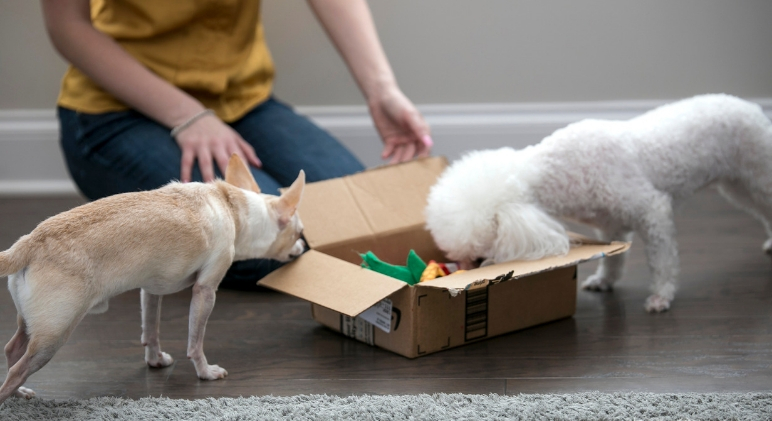
  • Open the boxes and throw the small pieces of food on all of them
  • Close the lids and let your pup do the work

4. Let’s Recycle!

What you’ll need:

How to make it:

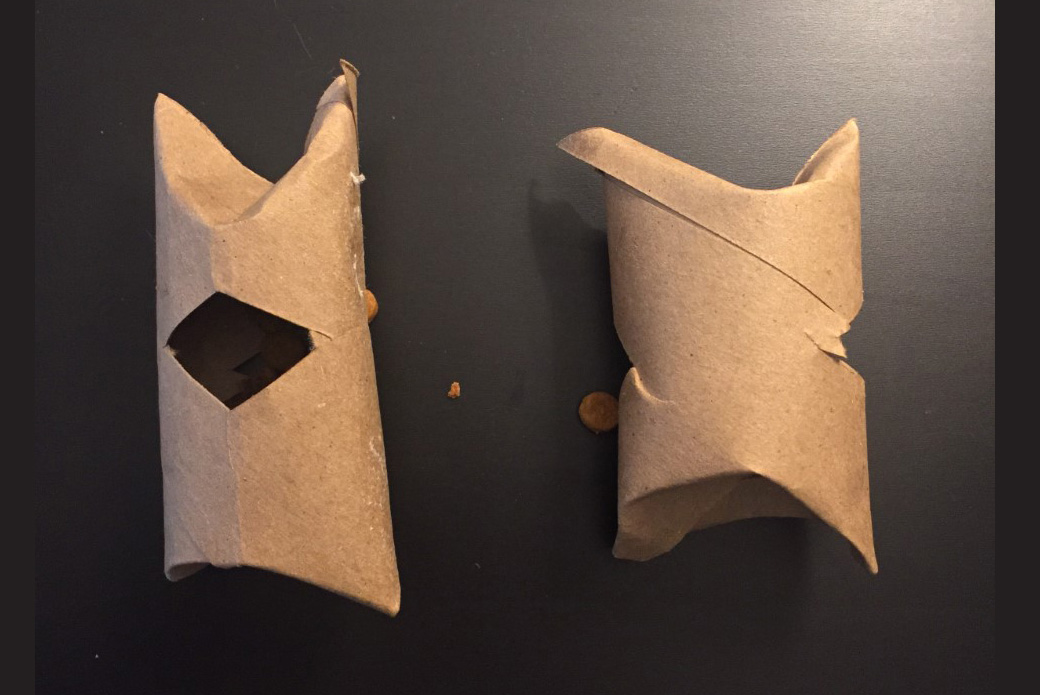
  • Place some pieces of food inside of the roll
  • Fold the tips of the rolls inwards 
  • Make some of them so your dog’s entertained for a while and has their brain and snout working for some food 

5. The Rolling Bottle 

What you’ll need:

How to make it:

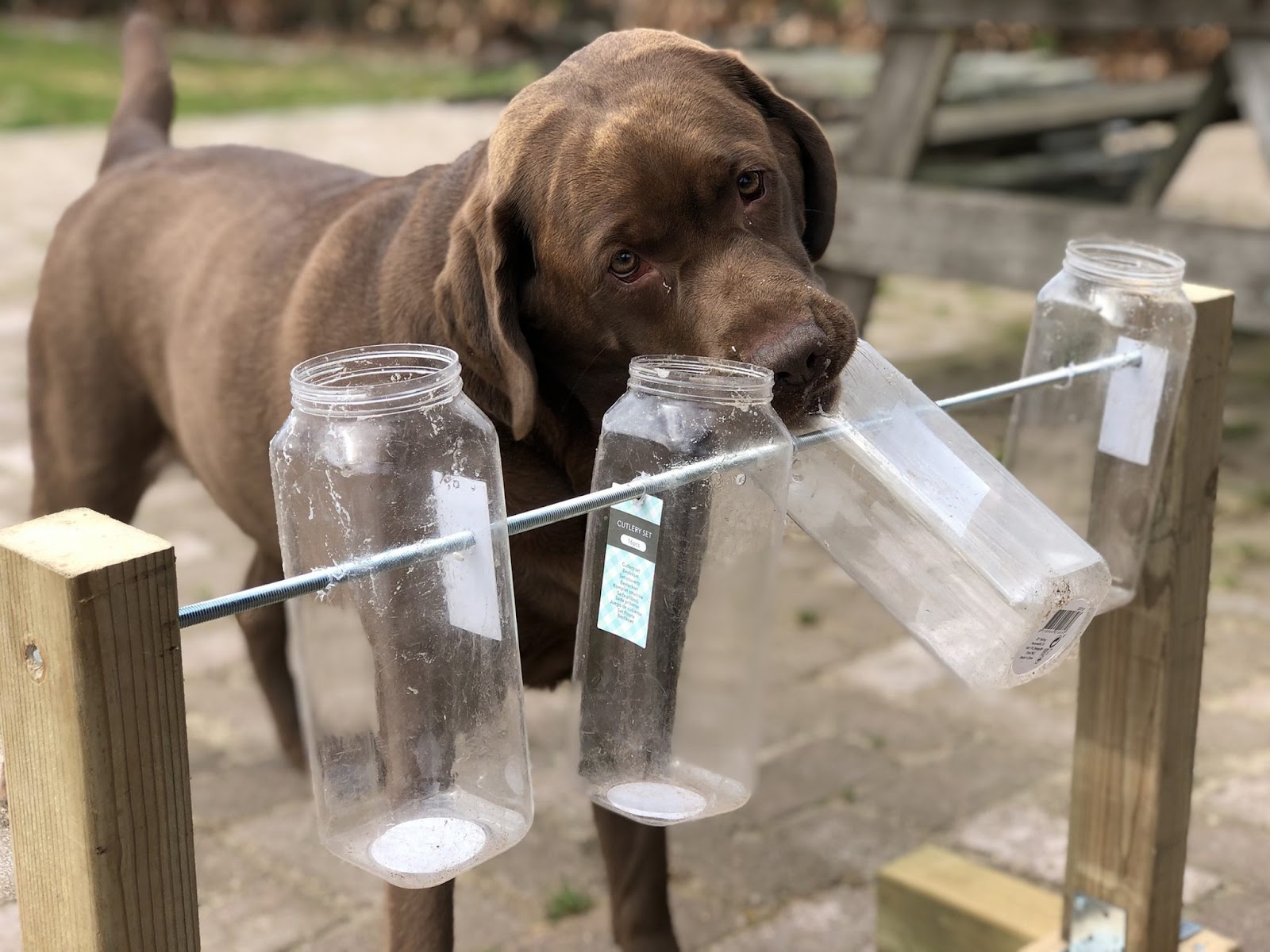
  • Make some holes the size of the food alongside the bottle
  • Place some food inside the bottle 
  • Put the curtain rod through the bottle, entering through its spout
  • Stick the rod between two walls at the height of your dog
  • Your pup will have to roll the bottle so the pieces of food fall to the floor and they can start enjoying them

The mechanism should look something like this

6. Uncover The Price

What you’ll need:

How to make it:

  • Distribute the recipients all over the floor
  • Put some of the food inside each one of them
  • Now your pup can go on a treasure hunt that will enrich his mind

7. The House Of Rags

What you’ll need:

How to make it:

  • Place the pieces of food on the rags and roll them up
  • Put them all together inside the box
  • Let that snout start working and find the treats

8. Under The Sea

What you’ll need

How to make it:

  • Distribue the pieces of food inside the bowl of water
  • See your pup submerge their snout to find the food

9. Frozen Treat

What you’ll need:

How to make it:

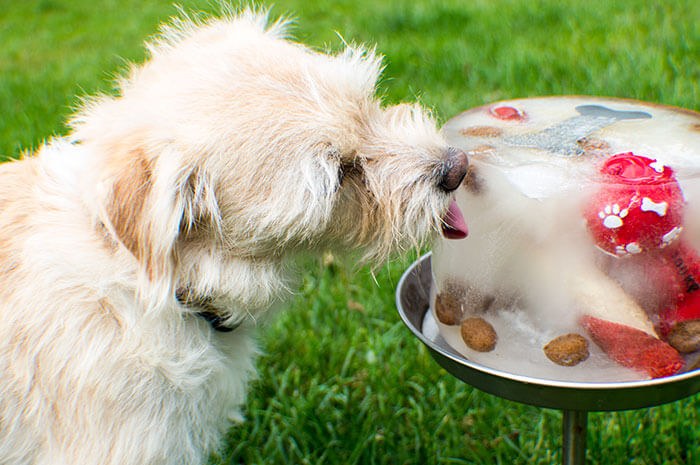
  • Place the water into the tupper 
  • Pour some broth into it
  • Put the kibble and sliced fruits into the tupper
  • Let it freeze
  • When it’s frozen, take it out and give it to your pup so they can lick their way to the treats

10. The Treat Maze

What you’ll need:

How to make it: 

  • Place the objects together around the house, making something that looks like kind of a maze
  • Distribute the food through, above and into the objects
  • Let your dog find their way through this delicious maze

11. DIY Snuffle Mat

What you’ll need:

How to make it:

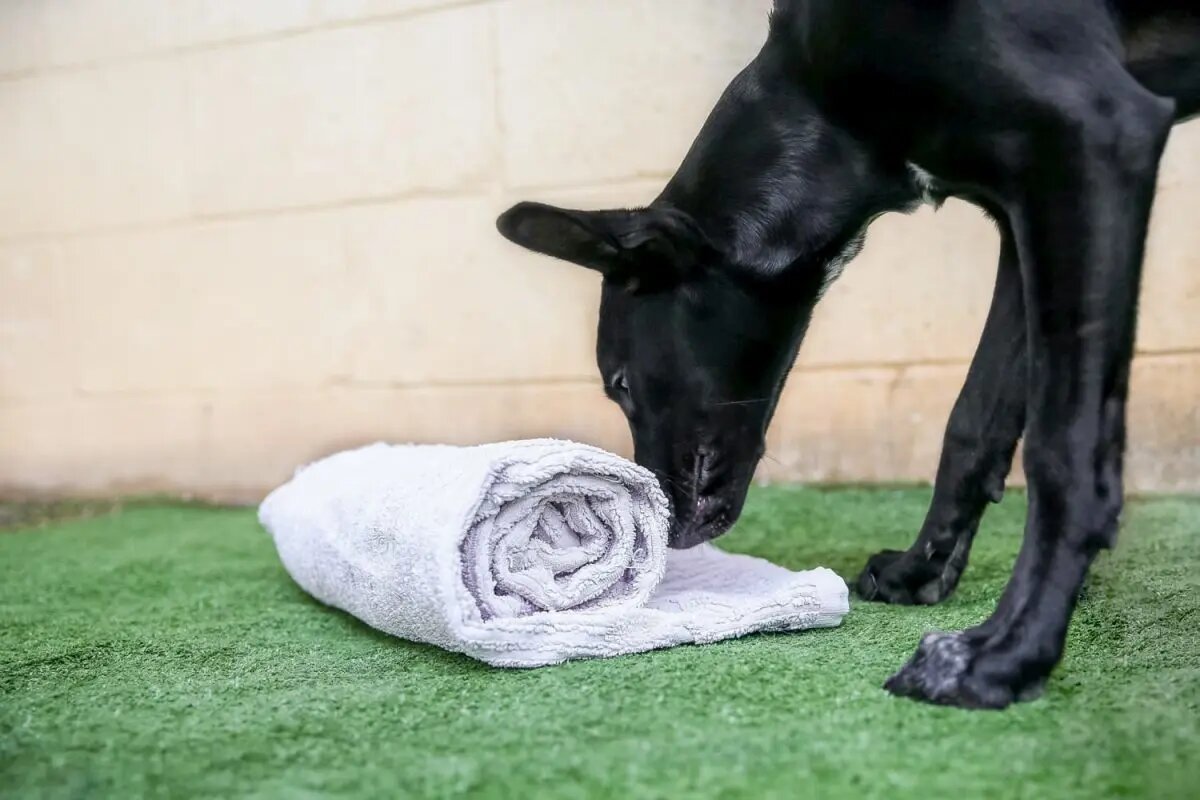
  • Roll the towel while putting the treats between each fold
  • Let your pup enjoy it

12. The Treat Maple

What you’ll need:

How to make it:

  • Distribute the pieces of food inside the maple
  • Close it and give it to your dog so they can go on their first easter treat hunt 

What are enrichment activities for dogs?

What are enrichment activities for dogs?

Most pet owners can’t dedicate more than two hours a day to giving their pups a walk or taking them to the park. That leaves our dogs with 22 hours to just sit, sleep and wait around the house. Sounds pretty boring, right? Well, it is. And, what is more, it’s not only extremely boring for dogs, but it can also develop behavioral problems. So, what’s the solution to this? Enrichment activities for dogs.

But, what are enrichment activities for dogs? And how can you put them into practice?

Let’s dive right into it.

What are enrichment activities for dogs? And why are they so important?

Enrichment activities for dogs are a series of different exercises that stimulate our dogs mentally, emotionally and physically. They allow them to have a more interesting environment, which leads to a happier life. 

But why are they so important in our dogs’ lives?

Well, in the first place, enrichment activities for dogs offer a wide range of health benefits:

  • Stimulates cognition
  • Improves stress management
  • Enhances ability to manage frustration
  • Helps manage expectations
  • Tires out your dog
  • Allows dogs to get more motivation from their food
  • Improves confidence on themselves 

Apart from improving their health, enrichment activities for dogs are also an essential tool for preventing them from getting bored. 

Imagine only having two hours a day to go outside, and then spending the remaining 22 hours of the day doing nothing but sleeping and laying on the bed, you would feel quite bored, right? Well, it works pretty much the same for dogs. By doing enrichment activities for them, we are providing them with what would be a Netflix show to watch for us, a book to read or a song to listen to.
But what’s the problem with our dogs getting bored? 
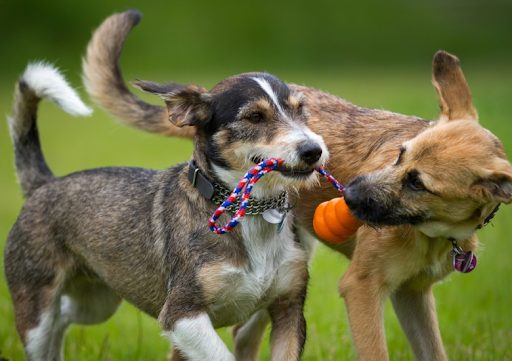
Boredom is one of the main causes of emotional and conduct problems in dogs. That’s because if a dog doesn’t receive stimulation, it will tend to find ways to enrich itself, resulting in unwanted behaviors such as continuous barking, excessive chewing, wrecking your couch and going potty inside the house. In addition, this accumulation of energy can lead to stress and emotional issues. 

That’s why enrichment activities for dogs that prevent them from getting bored are so important. 

Types of enrichment activities for dogs

Taking your dog to the park and allowing them to be enriched socially by interacting with other pups is an essential enrichment activity, but it’s definitely not the only one. Let’s take a look at the different types of enrichment activities for dogs there are. 

1. Social enrichment:

As said before, taking your dog to the park and allowing them to interact with others is an essential form of enrichment, and it falls under the social category. 

Letting them have fun with other pups in a safe environment at least once a day is key for them to live a happy and healthy life.

2. Cognitive enrichment:

This type of enrichment makes your pup work on their problem-solving and decision-making skills. By giving them a “job”, you’re encouraging physical and mental stimulation. Cognitive enrichment activities for dogs are great to combat boredom and encourage energy release.

This can be accomplished by playing sports such as fetch, practicing positive training regularly, providing food puzzles and playing hide and seek. 

3. Physical enrichment:

Physical enrichment provides outlets for positive expression of dogs’ natural behaviors. Contrary to popular belief, this type of enrichment activities for dogs aren’t exclusive for the hyperactive ones, all of them should be enriched this way. 

It goes from everything between creating an obstacle course in your backyard to providing safe toys, and rotating them to maintain the enriching effect of the toys.

4. Nutritional Enrichment

Nutritional or feeding enrichment activities for dogs allow them to not only use natural behaviors to earn food, but they also make mealtimes more fun and challenging.

What is more, if your pup is one of those that chokes down their food in no more than 20 seconds, this type of enrichment is key for them.

We mentioned puzzle feeders before and you may have wondered what they are. Well, they are an excellent tool to stimulate our dogs mentally and to make eating more challenging for them, which is one of the pillars of dog enrichment. 

You can also hide their kibbles or multifunctional treats around the house, which makes them work to find their food (instead of receiving it effortlessly), while keeping your dog healthy by implementing dog supplements in their diet that act as delicious treats . 

5. Sensory enrichment

This type of enrichment activities for dogs stimulate their five senses: sight, sound, smell, taste and touch. 

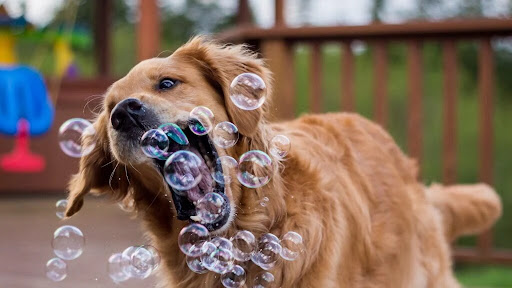
Put it in practice by placing visually stimulating objects outside a dog’s run; including auditory enrichment, such as soothing music; or blowing bubbles with a dog-friendly bubble solution as it serves as an exercise for your dog’s eyesight. 

But, wait! You don’t have to run off to buy all the dog enrichment toys you can find just yet. If you’re on a tight budget, or just want to get your creative juices flowing, here are some amazing and DIY easy enrichment activities for dogs you can do at your own house.

Want to Contact Me?

Hellonuzzle