Author: Orla O'Keefe

Most of my day is spent playing with dogs. When they nap, I'm here working on my blog. You're welcome to reach out and connect with me.

How to Train Your Dog The Most Important Command

How to Train Your Dog The Most Important Command

When it comes to training dogs, there are tons of commands and tricks to teach him or her, but there is one command in particular that can end up saving your pup’s life:  COME.

Let’s say you’re on a walk or in the park with your furry best friend by your side, then he gets distracted by something that gets tossed out a passerby car window; he goes to run for the object amidst heavy traffic. This is one of many times when ‘COME’ will be crucial for your dog to know.

If you want to take the extra step to make sure your dog is safe and stays out of harm’s way, ‘COME’ is a good place to start.

Here’s how to get started:

1. Make sure your dog is on a leash.

2. Hold onto your end of the leash and tell your dog “come” once, and walk backwards. You should walk fairly quickly.

3. Continue to move in that direction until your dog finally reaches you.

4. Once your dog gets to you, you excitedly praise your dog for correctly coming.

5. Give him a treat for correctly coming.

6. Repeat, and eventually lose the leash once the action is naturally done, and you’re confident in his understanding of the command.

And don’t forget–practice makes perfect!

Study Confirms, Your Dog Understands What You’re Saying.

Study Confirms, Your Dog Understands What You’re Saying.

A recent study published in Science, by a team of Hungarian journalists finds that your dog understands both emotion and the lexicon of our word

What does this mean for you?

The next time someone gives you trouble for those conversations with your dog you can tell them that science is on your side. It looks like those of us that spend hours talking with our pets aren’t so crazy after all. The bad news,  next time you try and trick Fido by telling him it’s time to go to the vet in a happy voice, he’s not going to be falling for it.

To conduct the study, the team lead by Attila Andics trained 13 different dogs, mostly golden retrievers, and border collies to sit completely still for a 7 minute MRI.

Atilla then played a recording of phrases such as good boy, clever, and that’s it. They were all played in a praising tone, a neutral word in a neutral tone, a praising word in a neutral tone, and a neutral word in a praising tone.

Amazingly, the dog’s reward center only responded positively to both a praising word in a praising tone. This proves that our pets not only understand our expressions and vocal tone but also what we tell them.

So next time you spend some one-on-one time with your pet,  watch what you say. Your dog understands you.

Curing Behaviour Problems In High Energy Dogs

Curing Behaviour Problems In High Energy Dogs

Dog behavior expert Caesar Milan is fond of saying “Every dog needs a job.” Many disagree with Cesar’s methods, but it’s tough to argue with this philosophy.

The reality is, your dog was bred to perform a task. Even mixed breeds have the need to “work.” Many undesirable behaviours: digging, howling, excessive barking, etc. can be attributed to your dog’s need to do its job going unfulfilled.

Your Beagle howls when it spots a rabbit because it has a hard-wired. They need to alert the pack, and the hunter, that it’s found game.

Your Australian Shepard nips at the kids feet when they run because it has a need to herd.

Your small, mixed breed dog suffers from explosive barking fits every time someone walks by your home. This is because it’s job is to alert you that there is a threat approaching.

Exercise Helps Control Dog Behaviour

If you’re losing your mind with your dog’s behavior issues, first know that they are all fixable.

The good news is that walking your dogs will solve a lot of issues. All dogs, regardless of breed, have a need to walk. This is their need for moving forward in search of food and shelter. When you deny a dog this simple task, it can cause a buildup of mental and physical energy and this leads to destructive behaviors.

Two, finding breed-specific tasks is a great way for your dog to realize it’s need to work.

If you have a mixed breed, finding out things she likes to do will not be hard.

Start with Basic Behavior Training

What kind of dog do you have?

Not surprisingly, Labs will enjoy retrieving a ball, stick, or Frisbee and bringing it back to you. You don’t need to duck hunt because your dog is hyperactive. But, finding a way for them to replicate soft-mouth carrying an object to you is an excellent way for them to feel fulfilled mentally and physically.

Playing scent-related hide-and-seek games can be a great way for nose-dominate dogs like hounds (and all dogs, really) to perform work tasks. Hide an object they’re familiar with in your home or yard. Walk them through the finding and retrieval process. Repeat and reward.

No matter what breed you have, toys like Kong that allow you to hide treats or food inside of the toy, leaving your dog to use its brain to figure out the puzzle will help with their mental health and cut down on destructive behaviors.

Swimming, if your dog like water, is an excellent way for your dog to exercise mentally and physically.

Agility training is great for herding breeds, sporting breeds, and small dogs that love to run around. You don’t have to turn your yard into the World Breed Championships. Just a simple obstacle course will be like Disney for your dog.

Training Your New Puppy or Dog

Training Your New Puppy or Dog

Training your dog is great for your dog and the owner. It will shape their future, and vets will tell dog lovers that a well trained dog is a happy and healthy dog. Sufficient training will shape your dog’s personality and if you want your dog or puppy to be set for life, you should begin training early. Here we list our key behavioral and training tips to get your dog started.

A caveat on our training methods, we believe in positive reinforcement and are providing recommendations using treats as a reward.

Basic Training Commands

There are 4 life-saving commands – sit, stay, come, leave. “Sit and Stay” will teach your dog how to be patient. These commands are required to calm your dog and control their enthusiasm. “Come” is the command to get your dog’s attention and summon them to you. This is very important to stimulate their mind and help them be submissive. “Leave” is the command to temper their bad behavior and is for when they lock on one item. If your dog is able to focus on multiple objects at once then they will develop more cognitive functions.

Learning Their Space Within Your Home

It is essential that every dog has their own chill zone. They should have a space they can maintain and adore. This is usually their bed. Having a place in your home that they can “lair” allows your dog to have consistency. Most dogs will take to this like a duck to water, but some dogs will need to be persuaded. This will occur often when they get a new bed or crate. We recommend that you do a reward for your dog, every time you can coax them to their new spot. Dogs will then naturally develop an affinity for this place.

Teaching Your Dog Boundaries

Dogs react nicely to boundaries, so long as they’ve been clearly outlined. The key to this training method is using your voice. You must be firm. If your dog keeps chewing on your couch, you must be firm with your “NO.” Do not fall for their puppy dog eyes. If your dog climbs on the sofa, then you should firmly get them down but reward them with a treat when they are down so they know being off the sofa is good. The hard part for most owners is that you must be consistent. It is very easy to confuse your dog if you don’t set clear and defined boundaries.

Go Potty

Dogs that are adopted when they are older are generally house broken however that does not mean that they will not have accidents while they try and get used to their new surroundings. The tried and true method of teaching your dog where to go to the bathroom is to walk to the place you desire them to go. When they “go potty” there, you should reward them and compliment them. This is a good time for them to get a treat and if you continually reinforce the behavior, this will provide your dog with structure and create a desired routine.

How to Be Home Alone

Home should not be overly hard if you have managed to train your pup to enjoy their crate or bed. Usually, as you gear up to leave, your dog will approach their crate or bed and will lay down. This isn’t them feeling sad, this is them making themselves feel safe. Puppies are the hardest age to train. They are very needy and look to you as their parent. The best way to train a puppy is to leave for a short time and reward them before you leave and after you return. They must know that you will come back, that is their fear. This a wonderful means to establish trust between your dog and you. They will be more at ease once they start to trust you completely.

Dog Training Tips: How To Stop Your Dog From Jumping On People

Dog Training Tips: How To Stop Your Dog From Jumping On People

Your dogs are happy to see you when you walk in the front door. Puppies will explode into an energetic fit of affection when you come home, when someone enters your house, or when they see a doggie friend. Most consider it cute to see their puppy run around, jumping on everyone, and skidding across the floor in excitement.

But, puppies grow up. Even small dogs can become a nuisance with constant jumping. It’s not difficult for a small or medium sized dog to trip you accidently, or to knock over children.

Bigger dogs are strong, and often heavy enough to knock over furniture, and people when they jump. This behavior needs to be stopped before it becomes overwhelming.

Why Do Dogs Jump On People?

Some behaviorists feel that dogs jump up onto people, trying to get close to our faces, because this is a genetic trait passed down to them by wolves. Wolf puppies greet adults by licking their faces, and mother wolves will often eat then regurgitate the food into the pup’s mouth.

Obviously, modern dogs do not eat this way, but the trait may have been passed down.

Other behaviorists feel that the behavior is simply the expression of excess energy. A way of greeting other dogs (playfully) and of greeting humans. Dogs licking their person’s face seems to go way back into the history of the human-canine bond. Humans ok’d the behavior, and dogs for generations have picked up on that and passed the process down.

Whatever the reason, excess jumping can lead to behavior problems and injury.

Wait Until They’re Calm

This is one of the easiest training methods to implement with dogs of all ages, and sets the tone for all other aspects of training, such as walking next to you on a leash.

Simply being patient and waiting until your pup calms down before showering them with attention is the best way to get them to stop jumping out of excitement.

This isn’t cruel. It can actually be good for your dog. Running around with reckless abandon can lead to injuries (slipping the wrong way on hardwood floors can lead to broken legs, torn ligaments, and muscle strains).

In older dogs, that kind of explosive excitement can cause heart problem (accelerated heartbeat).

How to Practice Patience

This will not be easy. You probably appreciate that your dog is so excited to see you. Waiting until they’re calm may take a few minutes, but you can help them avoid injury, and avoid injury to your guests.

Step 1: Walk in Calmly

One of the biggest mistakes we make is to play into the craziness. Using a high-pitched voice to greet your furbabies, speaking rapidly, jumping around with them, or rough-housing can all elevated their excitement.

Practice walking into your home calmly. If you have a bag, briefcase, or groceries, this is a good way to focus on walking forward, putting your things down, and giving your dogs a minute to let that energy dissipate before playing with them.

BOY HOLDING TREAT FOR WAITING DOG

Step 2: Say Hello, but Don’t Give Too Much Attention

It’s ok to say hi and acknowledge them, but do so with a calm, even voice then move on. Put your stuff away, wash your hands, then make eye contact. If you’ve taught them how to sit, this is a perfect time to give the command.

Once they’re sitting, you can give attention and affection.

  1. If Excitement Elevates, Back Off

Once they’re calm and you begin petting them, they may become overly-excited again. They may start jumping again. If so, back off, ignore them until they re-calm, then try again.

This may need to be repeated several times.

Do this every time you come home for several weeks. You’ll notice a difference after only a few days, but re-enforcement is key.

Tire Your Dog to Stop Jumping

  1. Take Short Trips

Time is a factor is this process. Being out of the house for 4 – 8 hours while at work gives your pup a lot of time to build nervous energy. To a dog, you’ve left an may never be coming home. Activity is great and trackable with Nuzzle.

Practicing short trips in and out of the house is a good way to reinforce calmness, and teach them that you will return.

Walk to the mail box, the end of the hall, down to your car, out to the store. Start with being outside your house for 5-minutes. Then 10, then a half hour, and so on.

It won’t take long for them to learn.

  1. Get Your Friends On-Board

Having friends, family, and other visitors follow the rules is paramount to success. Teach them to come in, calmly acknowledge your dogs, then wait until they’re calm. Remember, visitors provide your dog with such a great opportunity to cop some extra love and affection. This leads to even more excitement. But, if you have all visitors enter and follow the rules, your dogs will quickly learn that if they just wait, sit, and stop jumping, they’ll be showered in love and attention.

House Training Senior Dogs

House Training Senior Dogs

Has your  senior dog been having accidents in your house?

Does she frequently forget to tell you it’s time to go out?

Do you notice accidents at a certain time of day? Or, after a you’ve bene out of the house for a certain amount of time?

As your dog ages, she may develop problems with potty training. There are several reasons this happens:

  • A senior dog’s digestive system may not run as efficiently as it did when they were a pup. This leads to an irregular bathroom schedule
  • Your dog may have trouble holding it in. Just as with humans, as dogs enter their golden years, they may have more trouble holding it in while you’re away at work
  • There can be lag time between your pup’s brain tell her “it’s time to go out” and her ability to get to the door
  • Seniors often have to go to the bathroom more frequently than puppies
  • Did you rescue your senior pooch? She may have never been potty trained

First, make sure that accidents aren’t happening because of a medical issue. Take your dog to the vet and have them perform a Senior Blood Panel. This will find any issue with their bladder, kidneys, liver, and other essentials.

  • Once you’ve established that it’s not a medical problem, figure out if the issue is behavioral.

House Training: Puppy vs Older Dog

First, know that unless there is a medical issue, any dog, regardless of age, can be housebroken.

There are many differences in training a puppy vs an older adult dog

However, with both puppies and seniors, the key is consistency.

How to House Train a Senior Dog, Fast

These rules are meant for senior dogs, but you can apply them to puppies and adults as well.

Be Consistent with Their Meal Times

Aim to feed your senior pup at the same time every day. Remove their bowl between meals. The senior appetite is different than that of a puppy. Your senior may only pick at her food at meal time, then go looking for more later. This leads to inconsistent bathroom habits. By removing the bowl, you are letting them know that they can eat their fill – but, only at dinner time.

Feed your dog at the same time every day and take their bowl away between meals.

This will also help set up a routine of eating, resting, going out. All dogs love routine, but seniors especially thrive on consistency.

Keep a Bathroom Schedule

When training a puppy, you set up a bathroom schedule. It helps teach the pup system when it’s time to go. This goes a long way in preventing accidents because the dog’s system starts to process food on with regularity, eliminating the need for surprise trips to the bathroom.

With seniors, this is even more important. Your senior dog’s system isn’t as efficient as it used to be. Consistency in feeding and bathroom break times helps balance their system.

Senior Rescue Dogs: your rescue may not have even been house trained. If so, don’t fret. This can be an advantage because you are only teaching, and not teaching plus breaking ingrained bad habits.

Puppies should go out four times per day, minimum. Seniors should go 6 or more. They won’t relieve themselves every time, but giving them the opportunity cuts down on accidents, and helps eliminate accident-anxiety. 

Be sure to give you senior time to do her business once outside. Rushing your dog will only create more anxiety.

Rewarding Success

When she does her business outside, make sure you’re right there to reward her with treats, praise, play, or a walk.

Startle, Don’t Scare

If and only if you catch them in the act of eliminating (not 5 minutes later!), clap so that you startle them out of what they’re doing.

Then take them outside and offer them praise and treats after they finish eliminating.

Watch Them Closely

Be sure to keep a close eye on your seniors. They may not be able to tell you it’s time to go in time, and they may also feel shame if they have accidents. The best thing to do is to watch them closely, looking for patterns that let you know it’s time to go outside. 

Clean Up

Accidents happen with dogs of all ages, just as they do with humans. Dogs are not machines. When your senior pup has an accident, be sure to clean the area as best as possible to remove the scent which could encourage them to use that spot again. 

Popular Dog Breeds For Seniors

Popular Dog Breeds For Seniors

Having a dog provides many health benefits to their human counterparts: decreased blood pressure, increase in oxytocin – the feel-good brain chemical, lower stress levels, increased physical health, and more. But, what about dogs for seniors? Isn’t a dog too much work? Doesn’t the training and exercise and clean up outweigh these health benefits? Does it make sense for seniors to get a dog?

NO, in fact, multiple studies have shown that dog ownership increases lifespan. It increases “good” health markers, and provides loving companionship for older adults. Even in assisted living housing, dog ownership has been shown to have a myriad of positive effects.

Being smart about which breed to choose is key. And, adopting an adult or senior dog cuts out much of the problems associated with puppies. These can include high energy, house-breaking, behavior issues, destructiveness, etc. With older dogs, those problems are long gone. They need less physical activity – a good walk or two will bring great benefit the dog, and their human.

With that in mind, which breeds are best for seniors?

  1. French Bulldog

French Bulldogs are not overly athletic, and are rarely known to be high energy. A 20-minute walk per day is enough to keep them fit mentally and physically. They’re also affectionate dogs, and will happily keep you company while watching TV, reading the paper, or just sitting on the porch relaxing.

  1. Maltese

Maltese are on the small end of the size spectrum. Though they’re long-haired, if you keep their hair clipped, they’ll shed very little, so clean-up won’t be much of an issue.

The Maltese is not high-energy, and is bred to be extremely attentive to their human. This makes them a great companion dog because they really do become part of the family, and can be useful for seniors that live alone. Maltese are often used in assisted living facilities because they can be trained to bark in emergency situations, alerting medical staff that help is needed.

  1. Beagles

Young beagles can be a real handful. But, senior beagles make fantastic companions, love walks, make great watch dogs, and are perfect for the more fit-minded seniors.

Beagles are extremely food-motivated, so you may have to lock away the goodies. But, they’re also extremely loyal. And, like the Maltese, will sound the alarm when something goes wrong.

Beagles are best in houses, rather than assisted living. While older beagles don’t howl as much as their younger pack mates, they can still let the neighborhood know when something is amiss.

  1. Poodles

The poodle has remained one of the most popular dog breeds, consistently, since World War II. They are especially popular with seniors because of their even temperament, willingness to be trained, and loyalty. Miniature poodles are small in stature and make a great companion for apartments, assisted-living quarters, and any home.

Toy poodles have become more popular, but remember that they come with some health risks (they’re fragile and can be injured easily). Both the toy and miniature are ok with one walk a day and lots of affection.

5 Best Dog Breeds For Children

5 Best Dog Breeds For Children

Having a dog can help teach your children valuable lessons about responsibility, how to care for something, and how to give and receive unconditional love.

Some dog breeds are better with small children than others. Here are the 5 best dog breeds for children:

Boxer

Boxers are very playful, and are known to love children. They have a strong pack mentality, and are known to be protective of their child friends. 

Boxers are big, so they’re best with kids who are large enough to handle a little rough housing and play. But, Boxers are trainable and can be taught to play gently even with small children. 

Beagle

Beagles are almost never aggressive. They are playful. And, they very tolerant of kids sometimes too-rough behavior. 

Beagles are very energetic, love to play, walk, and chase a ball. 

Because of their sweet temperament, Beagles are the perfect dog for kids of all ages. 

Mastiff

These gentle giants scare a lot of people, but aggression in Mastiffs is almost unheard of. Simply, Mastiffs seem to be aware of their size, and know that they have little need to bark or bite. 

These dogs form a strong family bond, and will be very protective of their pack. 

Labrador Retriever

Labs are one of the most gentle dog breeds on Earth. They are always eager to please and rarely aggressive. Like the Beagle, they are tolerant of behaviors that would set other breeds off. 

Labs love to play. But, they also love to sleep next to pack members. They are high energy and love exercise, which makes them a great choice for high energy kids. 

Newfoundland

Another gentle giant. These dogs are “work horses,” but that desire to work can be channeled into companionship for children. They love to pull kids through the snow on a sled, run next to them their bikes, and help them explore the yard.

Newfoundlands are incredibly affectionate. They are also known to be goofy, which makes them a great friend for small children. 

Don’t forget about mixed breeds!

A dog doesn’t have to be purebred to be great with your kids. In fact, mixed breeds often have the best attributes of multiple breeds. If you are considering rescuing a mixed dog, meet with them to see their temperament. In general, most dogs are good with kids, so you can’t go wrong. 

The 10 Smartest Dog Breeds

The 10 Smartest Dog Breeds

We all know dogs are smart creatures. But have you ever noticed that some seem to be smarter than others? Like human intelligence, dog intelligence occurs in many different forms. Certain breeds have particular inherit qualities and are bred to be more intelligent in certain areas.

For example, if a dog is bred to retrieve, herd, or hunt, they are more likely to be eager to work, quick on their feet, and more willing to please you. Livestock guard dogs or scent hounds, on the other hand, can sometimes seem dense or distracted.

So, while certain dog breeds are smarter in particular areas, all dogs have the capability to be trained. Some might just take a bit longer to catch on!

Stanley Coren, a neuropsychologist and author of “The Intelligence of Dogs”, uses trainability to assess a dog’s intelligence. He used research from over 200 professional dog obedience judges on more than 100 breeds. The judges scored the breeds on obedience/working tests. These ten dog breeds learned commands in no more than five repetitions and obeyed these commands at least 95% of the time.

Border Collie

The Border Collie is often thought of as a workaholic and is the world’s best sheep herder. They have extraordinary instinct, extreme intelligence, and a strong work ethic.

Poodle

Poodle’s are smart and active. They were originally bred as water retrievers. Poodle’s are a devoted family dog and make excellent companions.

German Shepherd

The German Shepherd is a wonderful family companion along with a highly respectable guard, police, and military dog. They were bred to herd.

Golden Retriever

Golden Retriever’s are eager to please and highly intelligent. They were originally bred as a hunting companion and work exceptionally well as guide dogs as well as search-and-rescue helpers.

Doberman Pinscher

This is a breed known for their speed and stamina. They were bred as guardians and also work as police and war dogs.

Shetland Sheepdog

Also known as the “Sheltie”, the Shetland Sheepdog is a miniature working Collie. They have a keen intelligence and are excellent herders.

Labrador Retriever

Labrador Retrievers are very social dogs. They are also extremely gentle and highly intelligent. They make a wonderful family and sporting dog.

Papillon

This is an alert and happy breed. They are not known to be shy or aggressive. Though small, they are an energetic, highly intelligent breed.

Rottweiler

This breed is happiest when it has a job to do. They are powerful and hearty yet make a devoted companion. They make excellent police, service, and therapy dogs as well as herders and obedience competitors.

Australian Cattle Dog

Australian Cattle Dogs are very intelligent and energetic. They love when they have a job to do such as obedience, agility, or herding.

Although these are the “smartest” dog breeds, that doesn’t necessarily mean they are the “easiest”. Chris Redenbach, a dog trainer based in Atlanta said that having a smart dog “is like having a smart kid. They’re always into something and will get into trouble if they are bored”. (Pets.WebMD).

Highly intelligent dogs require a lot of time, training, and patience as they get bored easily. They tend to be more energetic than less intelligent dogs, requiring more time and training. However, many dogs that don’t appear to be very intelligent, may just be bred to be more independent.

So, it’s not necessarily a matter of “smart versus dumb” dogs, it’s more about breed, instinct, and – most importantly – training. Even the most stubborn dog can learn with enough training!

How To Care For Your Golden Retriever

How To Care For Your Golden Retriever

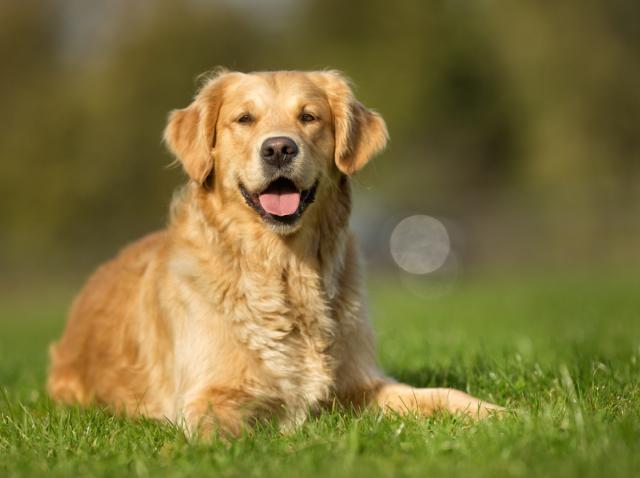
Golden Retrievers are one of America’s most popular breeds, in fact the third most popular currently. They are incredible social and have a wonderful temperament for all kinds of dog lovers. They typically weigh between 60 and 90 pounds. They have a wonderful disposition and temperament and are among the easiest of breeds to train. To keep a golden healthy you should give them plenty of exercise and feed them a balanced and stable diet.

Get Him Settled In

We recommend the first thing you should do is acclimatize your Golden to their new home. Puppies will always acclimatize quicker than adult dogs and the best way to speed this process up is to start them in a single room and slowly allow them more and more space within the house. As you move them in, you should keep them on the same diet as any stability will help them adjust. If you want to switch food brands, do it by slowly mixing the new brand with the old, increasing the portion of new food each day.

Learn His Behavior

It is important that you track your dog’s behavior for the first weeks after you welcome your Golden Retriever to your family. Consult with a veterinarian if you detect questionable or unusual behavior. You should also always exercise your golden retriever daily. They have incredible energy and playfulness, and some strenuous action to get the energy out of their system is the best way to handle a Golden Retriever. My go to exercise technique is to throw a ball and play fetch for at least 30 minutes each day. Keep a Golden Retriever retrieving and he will be happy and healthy.

Get Him Proper Exercise

Exercise is an essential part of your dog’s lifestyle, although this might seem like a big time investment. Golden retrievers that do not get enough exercise time are the most likely to pester, damage items inside the home, or become unhappy. Goldens are also vulnerable to shared dysplasia in both their front and hind legs. This is why you should do a vet check-up once a year. It’s a great opportunity to check your dogs heart as heart disease and cancer are the leading causes of deaths in Golden Retrievers.

One thing that all Golden Retrievers love is a good grooming session. Brush your dog’s whole body numerous times a week , to avoid matting or tangling of his fur. Cleaning more frequently helps keep your dog’s hair from shedding throughout the house, especially in the summer, and keeps your dog cozy in the warm temperatures.

You may also cut your dog’s hair with scissors to neaten and to thin his coat. I also recommend brushing your dog’s teeth regularly, I brush once to twice a week to keep him fresh. There are great chicken toothpastes, that dogs love. When you brush your dog’s teeth, you should always wash your hands completely before contacting your dog’s mouth or wear disposable gloves. Consult with your veterinarian if his teeth start to discolor, or if your dog has very poor breath for a drawn-out period of time. It’s possible for you to brush your dog’s teeth or you can take him to an expert for cleanings several times annually. When it comes to feeding your dog, you should feed your dog treats rather than ones that are soft to reduce bad breath and tartar build-up.

Want to Contact Me?

Hellonuzzle